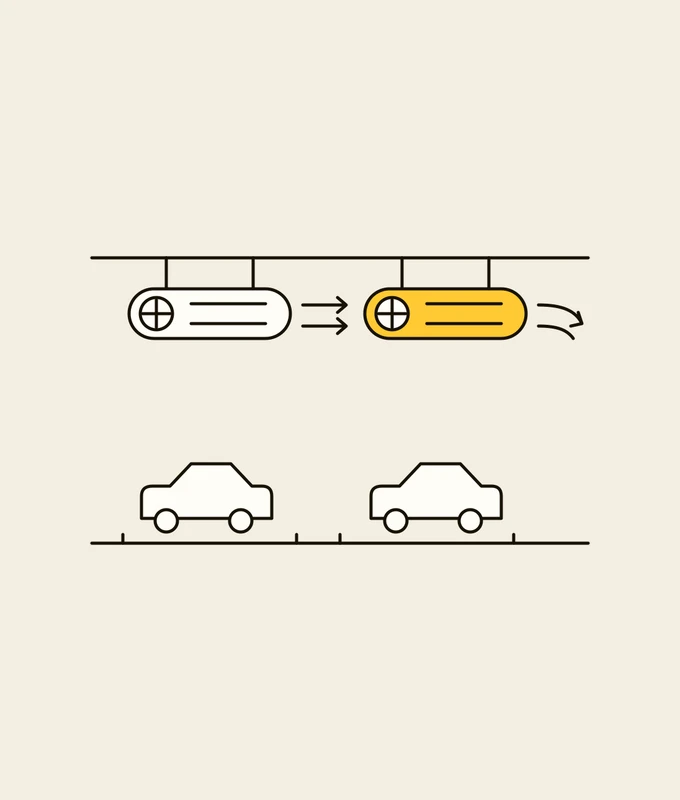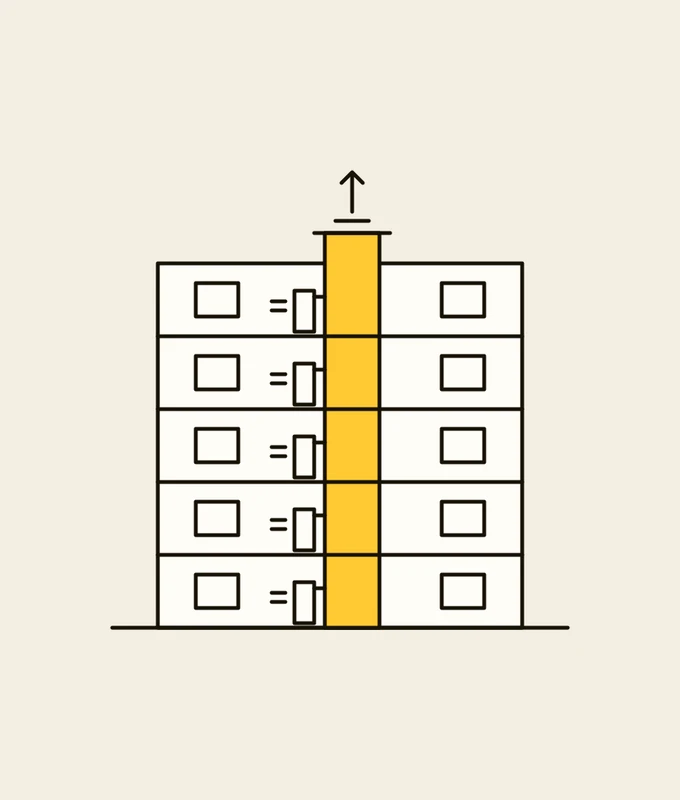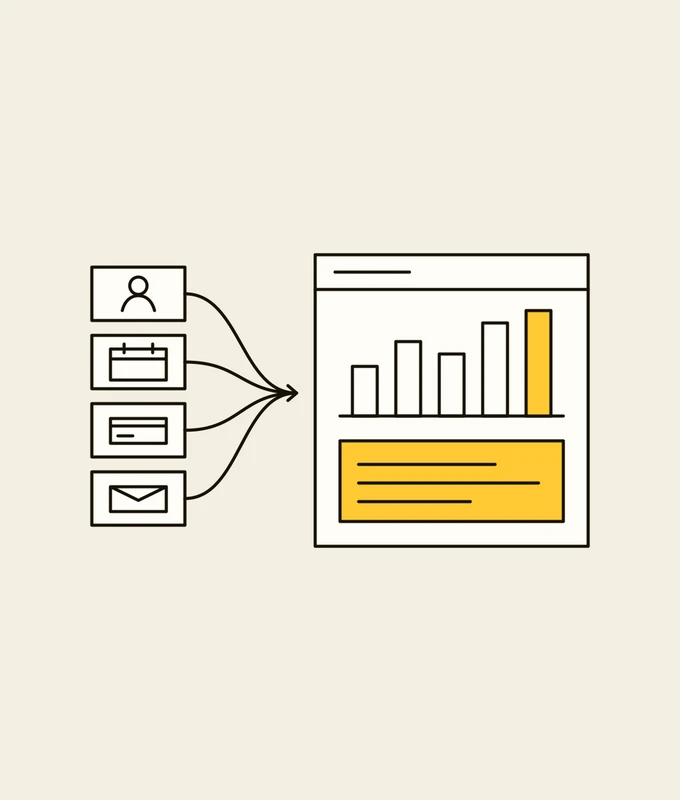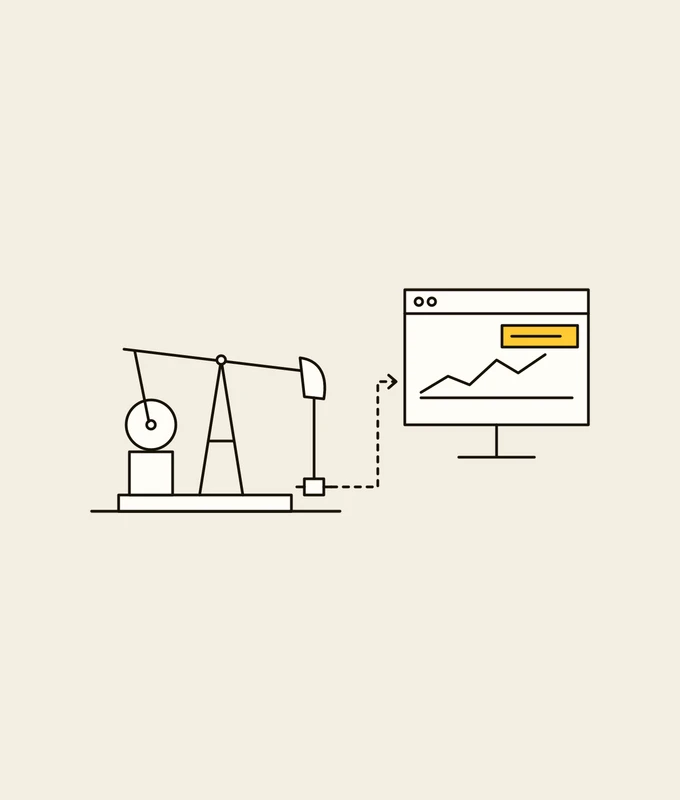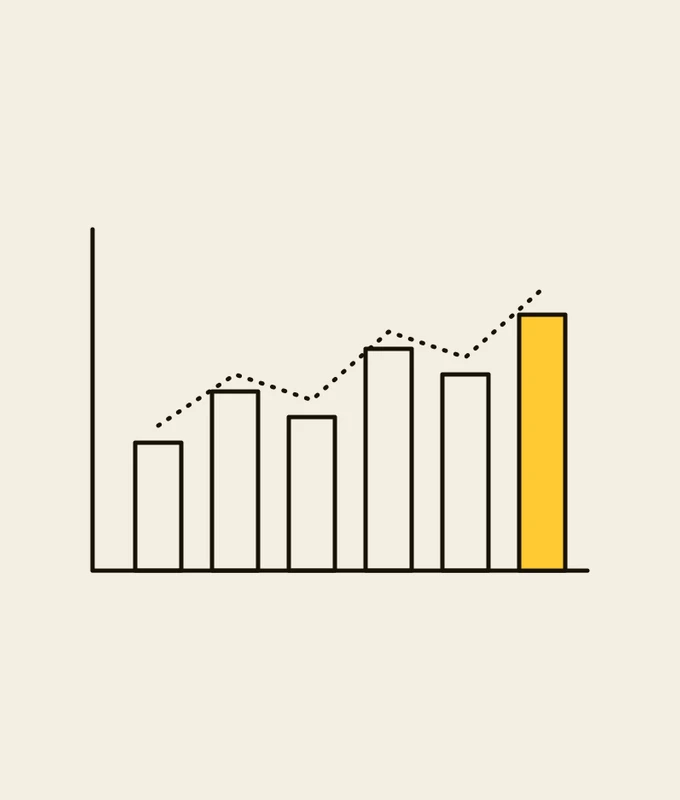
Measurable outcomes from live deployments.

Eight engagements across lending, insurance, professional services, financial operations, humanitarian reconstruction, logistics, legal, and hospitality. All outcomes are real — some clients are anonymised by request.

01
LENDING · HONG KONGDocument Automation

Document processing time cut from 4 hours to 11 minutes per file

The Challenge

A mid-sized Hong Kong lender was processing 80–120 loan application files per day. Each file required a staff member to open, read, classify, extract key fields, and route to underwriting. The process took 3–4 minutes per page across an average 6-page file — consuming nearly 4 full-time hours of capacity daily.

What We Built

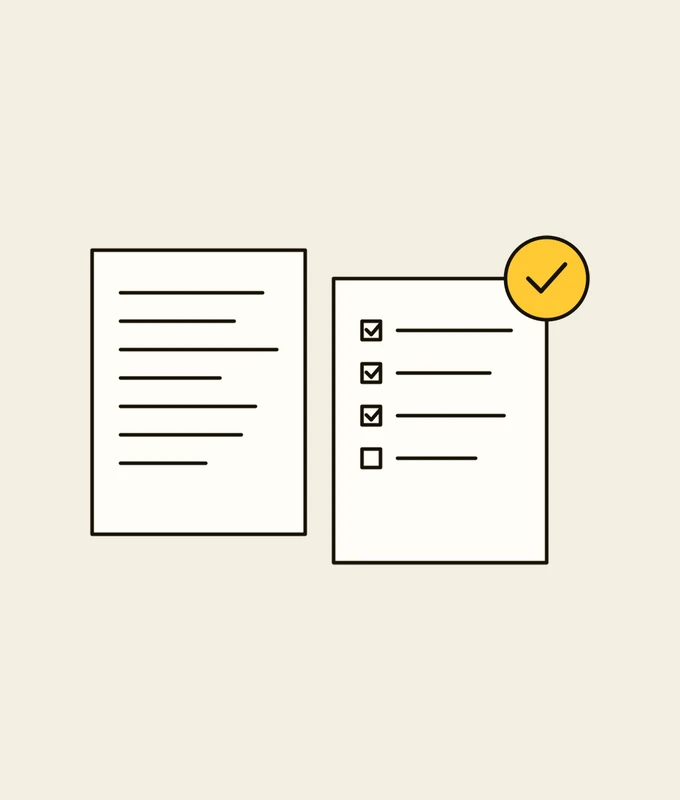
DeView built a document automation pipeline: inbound PDFs and scanned forms are processed through an extraction layer that classifies document type, pulls structured fields (applicant name, income figures, LTV ratios, employer details), and routes to the correct underwriting queue. Low-confidence outputs are flagged for human review; everything else moves automatically.

AI Capabilities

  1. 01

    AI Document Classification

    Inbound PDFs automatically classified by document type — application form, income verification, identity document, property valuation — and routed to the correct processing queue.

  2. 02

    Structured Data Extraction

    Key fields extracted from each document: applicant name, income figures, LTV ratios, employer details, and supporting document IDs. Output delivered as structured data ready for downstream systems.

  3. 03

    Confidence-Based Routing

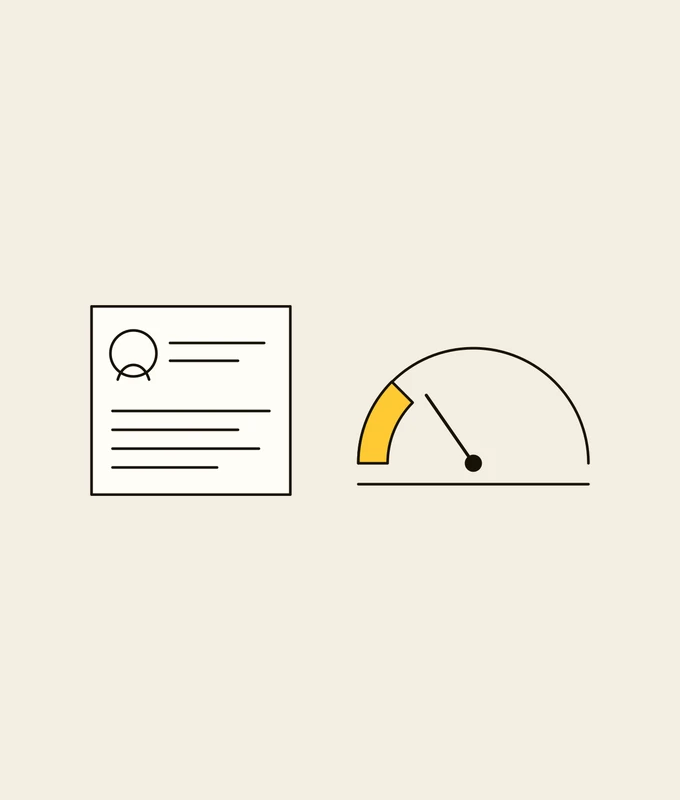
    High-confidence extractions move automatically. Low-confidence items are flagged for human review with the specific field and reason highlighted — reviewers see context, not raw documents.

94%reduction in manual document handling time
11 minaverage processing time per file (was 4+ hours)
3.5 FTEstaff capacity freed for higher-value work
4 weeksfrom kick-off to live deployment

We went from a backlog by 10am every day to same-day processing. The team now spends time on exceptions and client relationships — not reading PDFs.

Head of Operations, mid-sized HK lender
02
INSURANCE · ASIA-PACIFICCustomer Support Assistant

Average handle time reduced by 44% across 600+ daily support interactions

The Challenge

A regional insurance company's support team was handling 600–800 enquiries per day across email and web chat — primarily policy questions, claim status checks, and renewal reminders. Agents spent 8–12 minutes per interaction manually searching policy documents, looking up account records, and writing responses from scratch.

What We Built

DeView built a support AI connected to the company's policy knowledge base and CRM. For each incoming enquiry, the system classifies intent, retrieves the relevant policy section and account context, and drafts a response ready for agent review. Escalations are automatically routed with full context pre-loaded — the agent sees the customer history, the issue category, and the AI's draft before picking up the conversation.

44%reduction in average handle time
91%first-contact resolution rate (up from 67%)
2.3×increase in daily cases handled per agent
6 weeksfrom scoping to production

The AI does the retrieval and drafting. My team does the judgment calls. That's exactly how it should work.

Customer Service Manager, APAC insurance firm
03
PROFESSIONAL SERVICES · SINGAPOREInternal Knowledge Assistant

New consultant onboarding time cut from 3 weeks to 4 days

The Challenge

A professional services firm with 140 employees had 8 years of internal documentation spread across Confluence, SharePoint, and shared drives — procedures, client methodologies, compliance frameworks, and project templates. New hires took 2–3 weeks to become productive. Senior staff were interrupted 12–18 times per day answering internal questions that existing documentation already covered.

What We Built

DeView built a permission-controlled internal knowledge assistant that ingests and indexes the firm's entire document library. Staff ask questions in natural language; the assistant searches across all connected sources and returns cited answers pointing to the specific document section. Access is scoped by role — junior staff cannot retrieve materials outside their clearance level.

4 daysaverage new hire time-to-productivity (was 3 weeks)
73%reduction in internal knowledge-related interruptions
11 hrs/weeksenior staff time reclaimed per person
3 weeksdeployment including full document library ingestion

We didn't realise how much senior time was going to questions that were already answered somewhere. Now we can see exactly which documents are getting used — and which ones need updating.

Managing Director, Singapore professional services firm
04
FINANCIAL SERVICES · HONG KONGReporting & Research Copilot

Weekly management pack reduced from 9 hours to 35 minutes of staff time

The Challenge

A Hong Kong financial services company produced a weekly management pack covering pipeline performance, risk flags, and market commentary. Four team members spent a combined 9 hours each week pulling data from five different systems, formatting it into a standard template, and writing narrative summaries. The report was frequently late and occasionally contained reconciliation errors.

What We Built

DeView connected the AI to the company's SQL databases, BI tools, and internal data feeds via read-only service accounts. A scheduled job runs each Friday morning: the system pulls the prior week's data, runs the standard calculations, generates the narrative summaries using the company's approved commentary format, and delivers a complete first-draft report. The team reviews, adjusts commentary as needed, and signs off.

35 mintotal staff time per weekly report (was 9 hours)
100%on-time delivery since deployment (was ~60%)
Zerodata reconciliation errors since go-live
5 weeksfrom scoping to first automated report

Friday mornings used to be chaos. Now the draft is in our inbox before we arrive. We spend 20 minutes reviewing instead of a full day building.

Chief Financial Officer, HK financial services company
05
NGO · GLOBALDocument Automation

Field-to-donor reporting cycle cut from 12 days to same-day delivery

The Challenge

IRVA coordinates post-disaster building reconstruction across developing regions, managing 15–20 active sites with 400+ registered volunteer engineers and architects. Field teams submitted damage assessments, progress photos, and material requests via WhatsApp and email — nothing structured, nothing searchable. A 3-person HQ team spent 4+ hours daily copy-pasting updates into spreadsheets. Donor reports for 12 active grants — each with different KPI formats — took one coordinator 10–12 days per reporting cycle. Volunteer-to-project matching relied on memory and a shared Google Sheet.

What We Built

DeView ran a workflow audit to map IRVA's coordination pipeline end-to-end, then built three integrated systems. First, a document automation layer that ingests WhatsApp messages and email attachments, classifies them by site and report type (damage assessment, progress update, material request, safety incident), extracts structured data, and writes it into a central project tracker. Second, a reporting copilot connected to the project database and each donor's reporting template — generating grant reports in the required format with one click. Third, a knowledge assistant indexing building codes, safety standards, and IRVA's construction playbooks across 30+ countries — so volunteers can ask 'What is the seismic foundation requirement for a two-storey school in Nepal?' and get a cited, current answer.

AI Capabilities

  1. 01

    Field Report Automation

    WhatsApp messages, photos, and email attachments from field engineers automatically classified by site, report type, and urgency. Structured data extracted and written to the central project tracker — no manual copy-pasting required.

  2. 02

    Multi-Format Donor Reporting

    Connected to 12 active grant databases with each donor's required KPI format pre-configured. One-click report generation produces compliant drafts — USAID, EU, and private foundation formats all handled automatically.

  3. 03

    Construction Standards Knowledge Base

    Building codes, seismic standards, material specifications, and IRVA's own field playbooks indexed across 30+ countries. Volunteers query in natural language and receive cited answers with links to the regulatory source document.

92%reduction in HQ manual data processing time
Same-dayfield-to-report turnaround (was 12 days)
30+country building codes indexed and searchable
6 weeksphased deployment across all active sites

Our reporting coordinator used to disappear for two weeks every quarter just to produce donor reports. Now she generates all twelve in a single morning and spends the rest of her time on what actually matters — getting materials to sites faster.

Programme Director, IRVA
06
LOGISTICS · HONG KONGDocument Automation

Customs documentation processing cut from 45 minutes to 4 minutes per shipment

The Challenge

PacificPort Logistics handles 200+ ocean and air freight shipments daily through Hong Kong, connecting manufacturers across southern China with buyers in 40+ destination markets. Each shipment generates 6–12 documents — bills of lading, commercial invoices, packing lists, certificates of origin, customs declarations, and carrier manifests. Operations staff manually keyed data from each document into the TMS, cross-referencing tariff codes and compliance requirements. The process consumed 45 minutes per shipment and was the single largest bottleneck in the operation. Clients called or emailed 80–120 times per day asking for shipment status, ETAs, and document copies.

What We Built

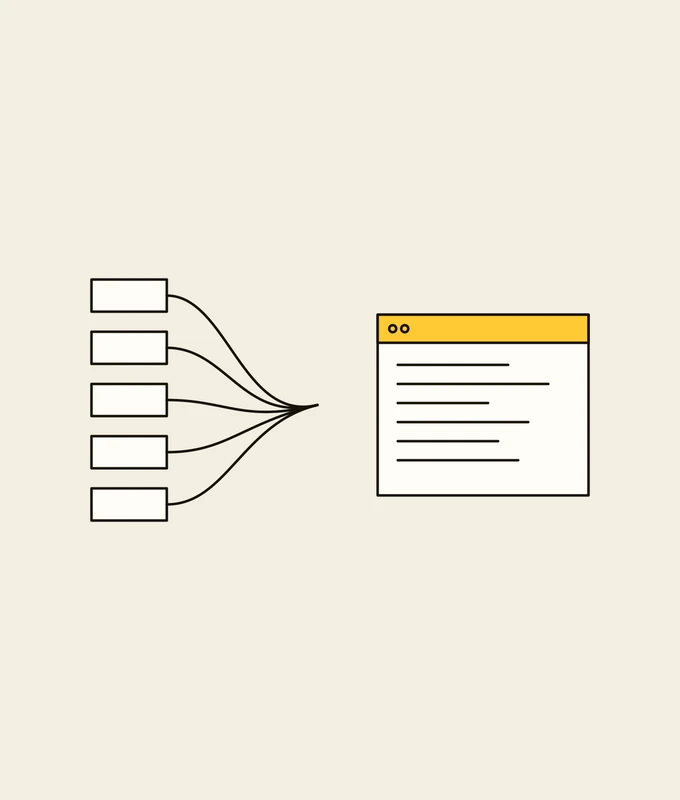
DeView deployed four connected systems. A document automation pipeline ingests all inbound shipping documents — PDF, scanned paper, and EDI — classifies each by document type, extracts structured fields (consignee, HS codes, weights, values, port pairs), validates against customs requirements for the destination market, and writes clean data directly into PacificPort's TMS. A customer support assistant handles inbound client enquiries — connected to live tracking data, it answers shipment status questions with real-time ETAs and links to relevant documents. A knowledge assistant indexes customs regulations, tariff schedules, and restricted-goods lists across 40+ trade lanes so operations staff get instant cited answers instead of searching government portals. A daily reporting copilot auto-generates the operations dashboard, exception alerts, and weekly carrier performance reports.

AI Capabilities

  1. 01

    Multi-Document Extraction & Validation

    Bills of lading, commercial invoices, packing lists, and customs declarations automatically classified, extracted, and cross-validated. HS codes checked against destination-market tariff schedules. Discrepancies flagged before submission — not after.

  2. 02

    Trade Lane Knowledge Base

    Customs regulations, restricted-goods lists, and tariff schedules across 40+ markets indexed and kept current. Staff ask 'What are the labelling requirements for electronics entering Brazil?' and get the answer with regulatory citation — no portal-hunting required.

  3. 03

    Real-Time Shipment Support

    Client-facing assistant connected to tracking systems, carrier APIs, and the document archive. Answers status, ETA, and document requests instantly across email and web chat — handling 70% of enquiries without human involvement.

91%reduction in per-shipment documentation time
4 minaverage document processing time (was 45 min)
70%of client enquiries resolved without human intervention
5 weeksfrom kick-off to full production deployment

We used to have six people doing nothing but typing numbers from one document into another system. Now the data flows automatically and my team focuses on the shipments that actually need human judgment — the exceptions, the customs holds, the urgent re-routes.

General Manager, PacificPort Logistics
07
LEGAL · HONG KONGDocument Automation

Due diligence review time reduced from 3 days to 4 hours per transaction

The Challenge

Ashford & Lam is a 45-lawyer commercial law firm in Hong Kong with practices in M&A, banking & finance, and corporate advisory. During due diligence, junior associates spent 60% of their billable time reading contracts — manually extracting key clauses, flagging non-standard terms, and building comparison matrices across stacks of 50–200 documents per deal. A single mid-market transaction required 2–3 full days of document review before a partner could form a preliminary risk assessment. The firm's 8 years of precedent opinions, memos, and template clauses lived across a shared drive with no search beyond filename — partners relied on memory to recall relevant past work. Client billing narratives and weekly matter updates consumed another 3–4 hours per partner per week.

What We Built

DeView built four integrated tools for the firm. A document automation pipeline that ingests deal documents (share purchase agreements, shareholders' agreements, loan facilities, leases), extracts key commercial terms and obligations, flags non-standard or missing clauses against the firm's own playbook, and generates a structured comparison matrix that a senior associate can review in hours instead of days. An internal knowledge assistant indexes all precedent work — past opinions, negotiation memos, template clauses, and regulatory guidance — so any lawyer can search for relevant past work and get cited results with document links. A reporting copilot that auto-generates weekly client updates and billing narratives by pulling from time entries, milestone data, and matter status notes. A client intake system that classifies new enquiries by practice area, runs preliminary conflict checks, and routes to the appropriate partner with a structured brief.

AI Capabilities

  1. 01

    Contract Analysis & Clause Extraction

    Deal documents automatically parsed for key commercial terms — purchase price mechanics, conditions precedent, representations, indemnity caps, restrictive covenants, and change-of-control provisions. Non-standard terms flagged against the firm's clause library with specific deviation highlighted.

  2. 02

    Precedent Search & Citation

    Eight years of firm work product — opinions, negotiation memos, template clauses, and regulatory guidance — indexed with semantic search. Lawyers query in natural language and receive cited results linking to the exact document section. Access scoped by seniority and matter confidentiality.

  3. 03

    Automated Client Reporting

    Weekly matter updates and billing narratives generated from time entries, milestone records, and status notes. Partners review a complete draft in 10 minutes instead of writing from scratch — freeing 3–4 hours per week for substantive legal work.

87%reduction in due diligence document review time
4 hrsaverage deal review time (was 2–3 days)
8 yearsof firm precedent now searchable in seconds
5 weeksphased rollout across all three practice groups

Our junior associates used to spend three days reading contracts before I could even begin to assess the risk. Now I have a structured comparison matrix on my desk the same afternoon — and the associates are doing real legal analysis instead of data entry.

Senior Partner, Ashford & Lam
08
HOSPITALITY · SOUTHEAST ASIACustomer Support Assistant

Guest response time reduced from 6 hours to under 3 minutes across 6 properties

The Challenge

Coral Bay Hotels operates six boutique properties across Thailand, Bali, and Vietnam — 340 rooms total. The reservations and guest services team handled 300+ enquiries daily across email, web chat, and OTA messaging in four languages (English, Mandarin, Thai, Japanese). Average response time was 6 hours; during peak season it exceeded 12. Staff toggled between the PMS, channel manager, and a shared FAQ document to answer questions about availability, amenity details, local recommendations, and pre-arrival requests. On the operations side, 40+ suppliers across six properties generated a stream of purchase orders, delivery receipts, and invoices — all processed manually. The GM of each property spent 90 minutes every morning compiling a nightly operations summary from five different systems.

What We Built

DeView deployed four systems across the group. A multilingual customer support assistant (EN, ZH, TH, JA) connected to the property management system and channel manager — answering booking queries, amenity questions, local recommendations, and pre-arrival requests with real-time availability and pricing. The system handles 65% of guest enquiries end-to-end; complex requests are escalated to staff with full conversation context pre-loaded. A document automation pipeline processes vendor invoices, purchase orders, and delivery receipts — auto-matching line items, flagging price discrepancies, and generating payment schedules across all six properties. A nightly reporting copilot pulls from the PMS, revenue management platform, guest review feeds, and maintenance logs to produce a per-property operations summary and a consolidated weekly ownership report. A staff knowledge assistant indexes SOPs, brand standards, and emergency protocols across all properties — new hires get exact procedures on demand.

AI Capabilities

  1. 01

    Multilingual Guest Assistant

    Real-time support in English, Mandarin, Thai, and Japanese across email, web chat, and OTA channels. Connected to PMS for live availability, pricing, and booking confirmation. Handles enquiries from room type comparisons to spa reservations — escalating complex requests with full context attached.

  2. 02

    Vendor Invoice Automation

    Purchase orders, delivery receipts, and supplier invoices across 40+ vendors automatically matched, validated, and reconciled. Price discrepancies and missing deliveries flagged before payment. Payment schedules generated per property and consolidated for group finance.

  3. 03

    Automated Operations Reporting

    Nightly property summaries and weekly ownership packs generated automatically from PMS, revenue management, review platforms, and maintenance systems. GMs review a complete draft each morning in 15 minutes — no more toggling between five dashboards.

< 3 minaverage guest response time (was 6+ hours)
65%of guest enquiries resolved without staff involvement
90 mindaily GM time reclaimed per property
4 weeksgroup-wide rollout across all 6 properties

During peak season we were losing bookings because we couldn't reply fast enough. Now guests get an accurate answer in their own language within minutes — and my front desk team handles the requests that actually need a personal touch.

Group Operations Director, Coral Bay Hotels

Start a conversation

Tell us the workflow that's costing the most time or money.

We review the process and reply within 1–2 business days with a specific recommendation — what AI can do, how long it takes, and a cost range.

Start a project →