Cloud and security · Cost
Cloud cost optimization and FinOps
We provide cloud cost optimization and FinOps for enterprises: visibility of cloud spend by team, product and customer, allocation and showback, rightsizing and elimination of waste, the right mix of commitments and on-demand capacity, optimisation of storage, data transfer and AI workloads, and unit economics that tie cost to business value. Engineers own the cost of what they run, finance can forecast it, and you own the tooling and the practice.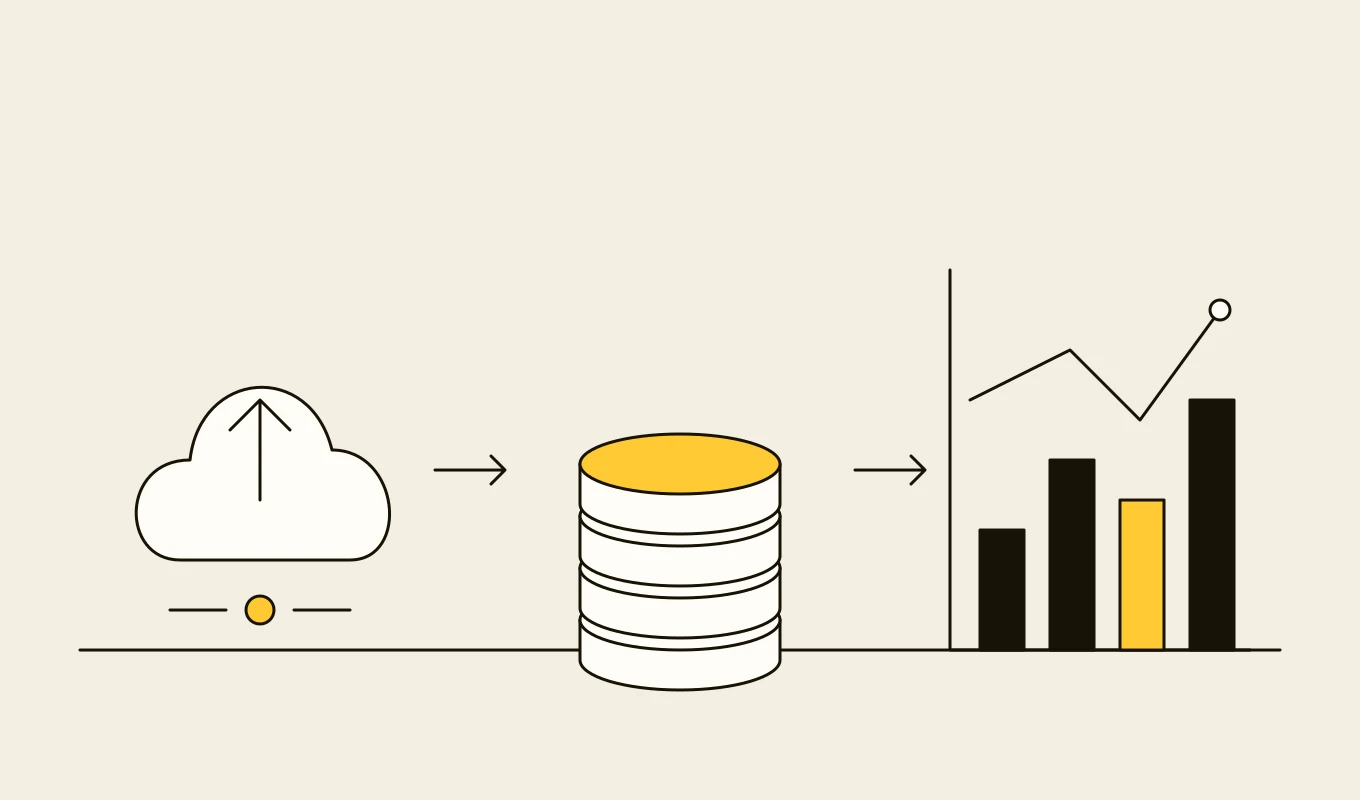
Checklist · Cloud and resilience
Cloud migration and resilience checklist for regulated firms
A checklist for regulated firms planning a cloud migration, a resilience programme or a security uplift: workload assessment, landing zone, data residency, resilience, security, delivery, third-party risk and evidence.- 01Eight areas that supervisors and auditors ask about, with testable checks.
- 02Resilience and recovery items that are easy to leave untested.
- 03Third-party, exit and data residency questions for the board.
- 04Seven questions to put to any vendor or engineering partner.
Free download
Get it on screen in a few seconds.
What the system does, module by module.
- 01
Cost visibility and allocation
Consolidated billing data with tagging and account structure that allocate every dollar to a team, product and environment, including shared costs. - 02
Showback and chargeback
Reports and dashboards for each team and for finance, with agreed rules for allocating shared services, and chargeback where the business wants it. - 03
Rightsizing and waste elimination
Detection of idle, oversized and orphaned resources, with recommendations that owners can approve and automation for safe clean-up. - 04
Commitment strategy
Analysis of steady usage and a portfolio of savings plans, reserved capacity and committed-use discounts matched to the forecast and risk appetite. - 05
Architecture efficiency
Improvements to autoscaling, scheduling, storage tiering, data transfer patterns and managed-service choices that lower cost without hurting reliability. - 06
Data and analytics cost
Control of the cost of data platforms, queries, retention and egress, with guardrails and chargeback to the teams that use them. - 07
AI and GPU cost management
Visibility and control of model usage, GPU capacity and token costs by application, with caching, model routing and capacity planning. - 08
Unit economics
Cost per transaction, per customer or per product, so that engineering and finance can see whether growth is profitable. - 09
Forecasting, budgets and anomaly detection
Forecasts from usage drivers, budgets with alerts and detection of unexpected spend, with owners notified quickly.
Reference architecture.
Standards and interfaces
What we design against.
- FinOps Framework
- The FinOps Foundation's framework of principles, personas, capabilities and maturity for managing cloud cost as a shared responsibility.
- FOCUS billing specification
- The FinOps Open Cost and Usage Specification, a common format for billing data across providers.
- Provider cost and well-architected guidance
- Cost optimisation pillars and tooling from the major cloud providers.
- Tagging and account governance standards
- Organisation-wide conventions for tags, accounts and resource ownership that make allocation possible.
- Sustainability measurement
- Emerging methods for reporting the carbon footprint of cloud workloads alongside cost.
- Financial controls
- Budgeting, accruals and capitalisation rules that cloud cost reporting must support.
Data model
The core entities.
- Cost line
- Provider, service, resource, period, amount, discount and tags.
- Allocation rule
- Cost pool, driver, targets, share and version.
- Resource and owner
- Resource, account, team, product, environment and utilisation.
- Recommendation
- Opportunity, estimated saving, risk, owner, decision and realised saving.
- Commitment
- Type, term, amount, coverage, utilisation and expiry.
- Unit metric
- Business driver, period, value and the cost it relates to.
- Budget and alert
- Scope, amount, forecast, threshold and notification.
When custom development is the right call.
Controls designed in, not added later.
Read-only by default
FinOps tooling reads billing and inventory data, and any automated action uses limited, reviewed permissions.Safe automation
Clean-up and scheduling actions are tested, reversible, announced to owners and exclude protected resources.Cost data confidentiality
Cost and contract data are restricted by role, as they reveal commercial terms.Policy guardrails
Rules prevent costly misconfiguration, such as unapproved large instances or unlimited data egress, before deployment.Auditability
Allocation rules, savings claims and approvals are recorded for finance and audit.
From discovery to a system you run.
- 01
Baseline and visibility
We consolidate billing data, fix tagging and ownership, and produce a baseline of spend by team and product. - 02
Quick wins
Obvious waste and mismatched commitments are addressed first, with owners approving each action. - 03
Showback and accountability
Teams receive their costs, budgets and recommendations, and review them in a regular cycle with finance. - 04
Architecture and unit economics
Larger efficiency improvements are planned with engineering, and unit costs are tracked against business drivers. - 05
Automation and continuous practice
Recommendations, guardrails and alerts are automated, and FinOps becomes a regular operating rhythm.
Relevant work
Where to see our work.
Common questions.
- Where does most cloud waste come from?
- Typically from oversized and idle resources, unused storage and snapshots, development environments running around the clock, poorly matched commitments and data transfer between regions and services. Each has a standard fix, and the work is ownership and process.
- Should we buy reserved capacity or savings plans?
- For steady, predictable usage, yes. We analyse your usage patterns and forecast, and recommend a portfolio that covers the stable base without locking in capacity you may not need.
- How do you manage the cost of AI workloads?
- By tracking usage per application, using caching and model routing so simple tasks use smaller models, planning GPU capacity against demand and applying budgets and alerts to model spend.
- Is FinOps a one-off project?
- No. It is an ongoing practice shared between engineering, finance and product. A project establishes visibility and quick wins, and the practice keeps costs aligned as usage changes.
- Who owns the tooling and the data?
- You do. The tooling, the rules and the data stay yours.