Enterprise platforms · Agriculture
Grain and commodity management system
We build custom grain and commodity management systems for elevators, traders, processors and cooperatives: weighbridge and sampling integration, grading and quality adjustments, storage and blending, contracts and position, price risk, settlement and payments to growers, and logistics. The numbers on the scale, in the bin and on the contract agree, and you own the code.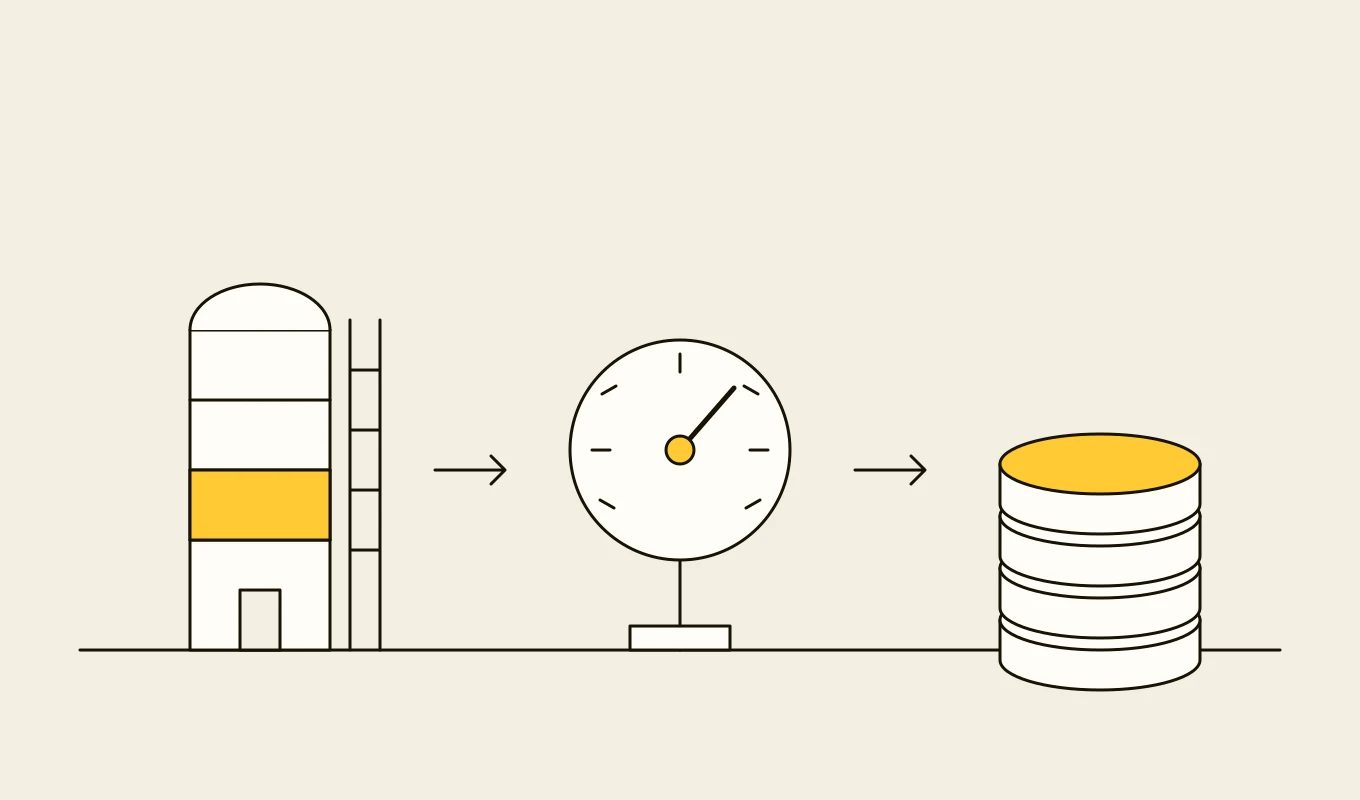
Checklist · Agriculture
Agri ERP and traceability requirements checklist
A requirements checklist for farm management, dealer, grain and field systems, with the records and geolocation that deforestation and food traceability rules ask for.- 01Eight requirement areas from the field register to compliance records.
- 02What plot-level geolocation and chain-of-custody records need to contain.
- 03Items for field apps that work without a mobile signal.
- 04Seven questions to put to any vendor or development partner.
Free download
Get it on screen in a few seconds.
What the system does, module by module.
- 01
Intake and weighbridge
Truck and rail intake with integration to weighbridges, scales and sample probes, so weights and samples are captured without keying. - 02
Grading and quality
Moisture, protein, test weight, impurities and other grade factors recorded and compared with contract specifications, with discounts and premiums calculated by rule. - 03
Storage and bin management
Quantity and quality by bin, silo and warehouse, with transfers, blending, drying and shrink, and a record of every movement. - 04
Purchase and sales contracts
Spot, forward, basis and delivered contracts with quantities, prices, delivery windows, tolerances and the standard terms they follow. - 05
Position management
Physical position by commodity, crop year, location and delivery period, comparing contracted purchases and sales with stocks. - 06
Price risk and hedging
Exposure to flat price and basis, hedge records against futures, and mark-to-market with the link to the risk team's limits. - 07
Settlement and grower payments
Settlement sheets with quality adjustments, deductions and advances, payments to growers and the posting to accounting. - 08
Logistics and scheduling
Delivery scheduling, truck queues, rail and barge planning and shipment documents, linked to contracts. - 09
Warehouse receipts and compliance
Storage receipts, quality and quantity certificates and the records that regulators and counterparties require.
Reference architecture.
Standards and interfaces
What we design against.
- Grain grading standards
- National or contractual grade standards for each commodity, implemented as rules for factors, tolerances and adjustments.
- Trade contract terms
- Standard contract forms such as those published by GAFTA, and Incoterms rules for delivery, referenced in contract setup.
- Weighing and metrology
- Legal-for-trade scale requirements and the integration of certified weighing devices.
- GS1 and traceability
- Identifiers and records linking intake lots to shipments for chain of custody.
- EDI and e-invoicing
- Messages and invoices for traders, shipping and customers.
- Accounting and commodity risk rules
- Inventory valuation, hedge accounting and exposure reporting under the entity's policies.
Data model
The core entities.
- Delivery and weigh ticket
- Vehicle, gross and tare weights, time, grower or supplier, commodity and location.
- Sample and grade
- Sample identifier, factors measured, grade result and adjustments.
- Storage location and lot
- Bin, silo or warehouse, commodity, quantity, quality profile and movements.
- Contract
- Parties, commodity, quantity, price basis, delivery window, terms and fulfilment.
- Position
- Physical and contracted quantities by commodity, period and location.
- Hedge
- Instrument, quantity, price, expiry and the exposure it covers.
- Settlement
- Delivery, adjustments, deductions, advances, amount and payment status.
When custom development is the right call.
Controls designed in, not added later.
Tamper-resistant weights
Weights come directly from certified devices, and manual corrections need approval and a reason.Segregation of duties
Intake, grading, pricing and settlement approvals are held by different roles.Contract and price control
Changes to contracts and settlement prices are approved and logged, with the earlier values kept.Offline intake
Intake sites keep working through network loss and synchronise afterwards.Audit trail
Every weight, grade, movement and payment is traceable.
From discovery to a system you run.
- 01
Intake to settlement review
We follow a delivery from the scale to the grower's payment and record every document, grade rule and approval. - 02
Rules and data design
Grade rules, contract types, storage model and the interfaces to scales and accounting are agreed. - 03
Build and pilot at one site
Intake, grading and storage go live at one site, with the old process as a fallback. - 04
Add contracts, position and settlement
Contracts, position management, settlement and grower payments follow, reconciled to accounting. - 05
Roll out and add risk
More sites, price risk, logistics and reporting are added through the season cycle.
Relevant work
Where to see our work.
Common questions.
- Can the system integrate with our weighbridges?
- Yes. Certified scales and sample probes connect through their interfaces or a gateway, so weights and samples enter the system without keying and corrections are controlled.
- How are quality discounts and premiums calculated?
- By rules for each commodity and contract, from the measured grade factors, with the calculation shown on the settlement and the rule version recorded.
- Does it handle basis and forward contracts?
- Yes. Contracts record price basis, delivery windows and tolerances, and the position and fulfilment views compare contracts with stocks and deliveries.
- Can it connect to our accounting system?
- Yes. Settlements, inventory movements and payments post to accounting through its interfaces, and the two are reconciled.
- Who owns the code?
- You do. The code, the rules and the data stay yours.