Enterprise platforms · Banking
Commercial loan origination system
We build custom commercial loan origination systems for banks: the deal pipeline, facility structuring, financial spreading, credit memos, risk rating, committee approval and closing, with a clean handoff to servicing and the core ledger. Larger facilities, borrower groups and multiple guarantors are modelled as they are in the credit file, not flattened into one form. You own the code.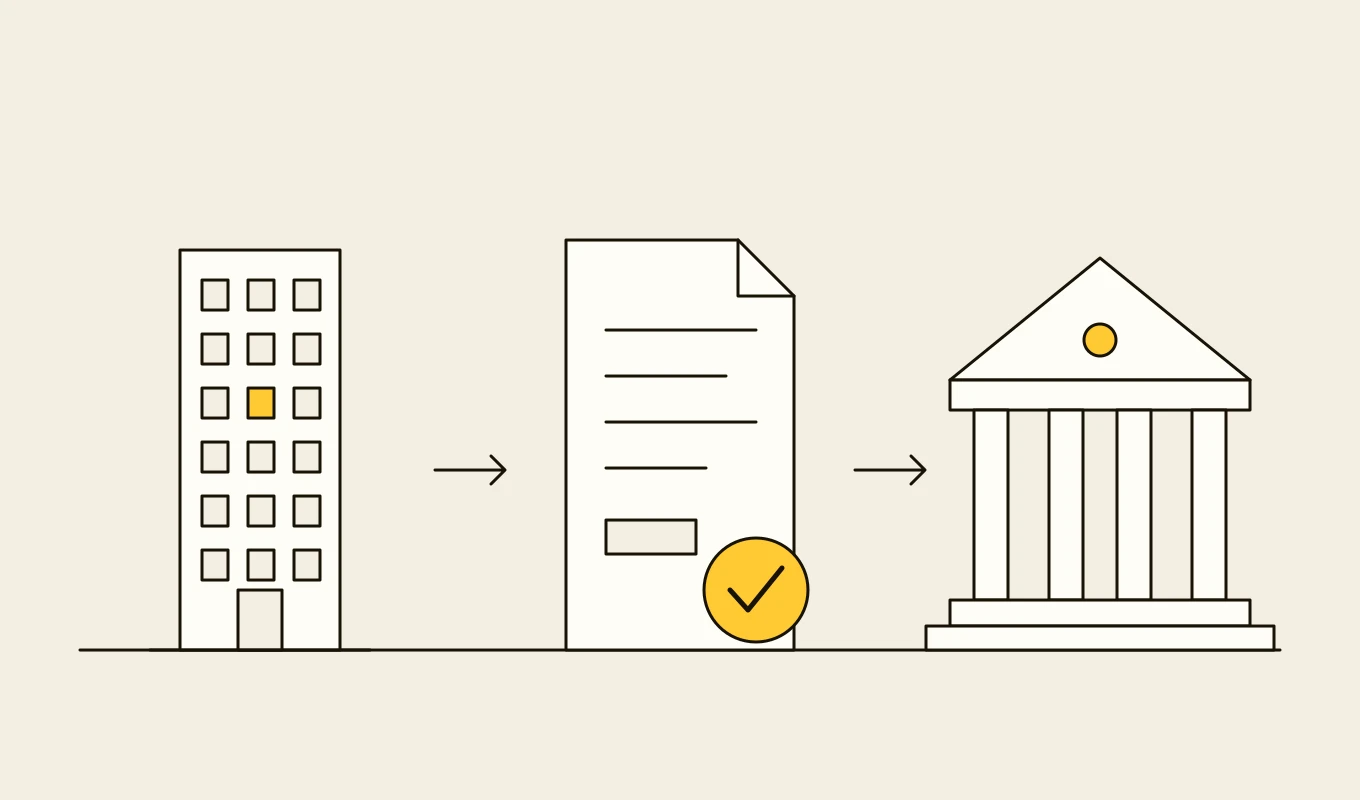
RFP template · Banking
SME lending platform RFP template
Requirements to put in an RFP for an SME loan management system, from application intake to regulatory reporting, plus the questions to ask every vendor.- 01Eight requirement areas, each as a checklist you can paste into an RFP.
- 02Integration and data points your core banking and IT teams need to answer.
- 03Security, resilience and regulatory items that are easy to miss.
- 04Seven questions to put to any vendor or development partner.
Free download
Get it on screen in a few seconds.
What the system does, module by module.
- 01
Deal pipeline and relationship view
Opportunities by stage, owner and expected closing, with the client's existing exposure, products and open tasks on the same screen. - 02
Customer and group structure
Borrower groups, parents, subsidiaries, guarantors and connected parties held as a structure, so exposure and approval authority are calculated on the group. - 03
Facility structuring
Tranches, currencies, pricing grids, margin ratchets, fees, availability periods and repayment profiles captured as structured terms rather than free text. - 04
Spreading and ratio analysis
Financial statements spread to a standard template, with ratios, projections and covenant headroom computed and compared across periods. - 05
Credit memo authoring
A structured credit memo that pulls in data from the file, keeps versions, and shows the reviewer what changed since the last draft. - 06
Risk rating
Obligor and facility ratings with the model inputs recorded, so each grade can be reproduced and challenged. - 07
Committee workflow
Packs assembled for credit committee, decisions and conditions recorded in the system, and approval authority checked against the exposure on the whole group. - 08
Documentation and closing
Document generation from the approved terms, a conditions-precedent checklist, signature tracking and a closing gate that blocks drawdown until every item is cleared. - 09
Booking and handoff
Facilities and limits booked to the core and to the servicing system, with covenants and review dates handed over to monitoring.
Reference architecture.
Standards and interfaces
What we design against.
- BPMN 2.0 and DMN 1.3
- Workflow and decision-table notations for the approval path and for rating and authority rules, so credit and operations can read and review them.
- REST and OpenAPI
- Contracts for booking to the core, pulling client data and publishing events to risk, finance and reporting.
- ISO 20022
- Payment and statement messages for drawdown instructions and the reconciliation of fees and repayments.
- Basel credit risk framework
- Exposure, collateral and rating data held in the form the bank's capital and risk calculations expect.
- IFRS 9
- Stage, exposure and collateral inputs handed to the expected credit loss engine.
- Data protection law
- Consent, purpose and retention for personal data of directors, guarantors and beneficial owners.
Data model
The core entities.
- Client and group
- Legal entities, group links, connected parties, ownership, KYB status and relationship manager.
- Deal
- Requested facilities, stage, purpose, source, owner, documents and the full history of changes.
- Facility and tranche
- Limit, currency, tenor, pricing grid, fees, repayment profile, availability and conditions.
- Spread and ratio set
- Statement periods, adjustments, computed ratios, projections and the analyst's notes.
- Credit memo and decision
- Memo versions, ratings, recommendation, committee outcome, conditions and authority used.
- Security and guarantee
- Collateral, guarantor, valuation and charge status linked to the facility they support.
- Covenant and review
- Financial and information covenants, test dates, waivers and the next annual review.
When custom development is the right call.
Controls designed in, not added later.
Information barriers
Access by team, deal and client, with restricted deals hidden from everyone outside the deal team.Four-eyes and authority limits
Approvals checked against the authority matrix on group exposure; changes to terms after approval send the deal back for re-approval.Audit of every version
Memo versions, rating changes and committee decisions are kept with user and time, and cannot be overwritten.Document protection
Encrypted storage, watermarking on exported packs and controlled sharing with external counsel.Hosting
Your own cloud account, region or data centre, with release controls aligned to the bank's change policy.
From discovery to a system you run.
- 01
Credit process mapping
We follow a recent set of deals from first meeting to closing with relationship managers, credit analysts and operations, and record each handoff and document. - 02
Architecture and data design
The deal, group and facility model is agreed with credit and risk, along with the interfaces to the core, risk, document and CRM systems. - 03
Build in releases
Pipeline and facility structuring ship first, then spreading and memo, then committee workflow and closing, each tested by the credit team. - 04
Pilot with one team
A single sector or region team runs live deals on the system while the old process stays available as a fallback. - 05
Roll-out and extension
More teams, products and rating models are added, with monitoring and support from the same engineers.
Relevant work
Where to see our work.
Common questions.
- How is commercial origination different from SME lending?
- SME lending is high volume and standardised, so it leans on rules and data intake. Commercial origination is lower volume with bespoke terms, borrower groups, multiple guarantors and committee approval, so the system centres on structuring, the credit memo and group-level authority.
- Will it replace our core banking system?
- No. Origination books the approved facility to the core or to your loan servicing system through an agreed interface. The core remains the book of record.
- Can the credit memo be generated automatically?
- The structure, the data and the ratios fill in automatically. The analyst writes the judgement sections. A drafting assistant can propose text from the file, but the analyst reviews and owns every word.
- How are group limits and connected exposure handled?
- The client structure is a first-class model. Exposure is aggregated up the group and across connected parties, and the authority check uses that total rather than the single facility.
- Who owns the code and the data?
- You do. The code, the data and any models stay yours, and the system runs in your own environment.