Digital product engineering · Banking
Digital SME loan application portal and app
We build digital SME loan application portals and apps for banks and lenders: the borrower-facing side of SME lending, with a guided application, consented data pull in place of paper statements, document upload, e-signature and a live status tracker. It connects to your loan management system and credit workflow, and you own the code.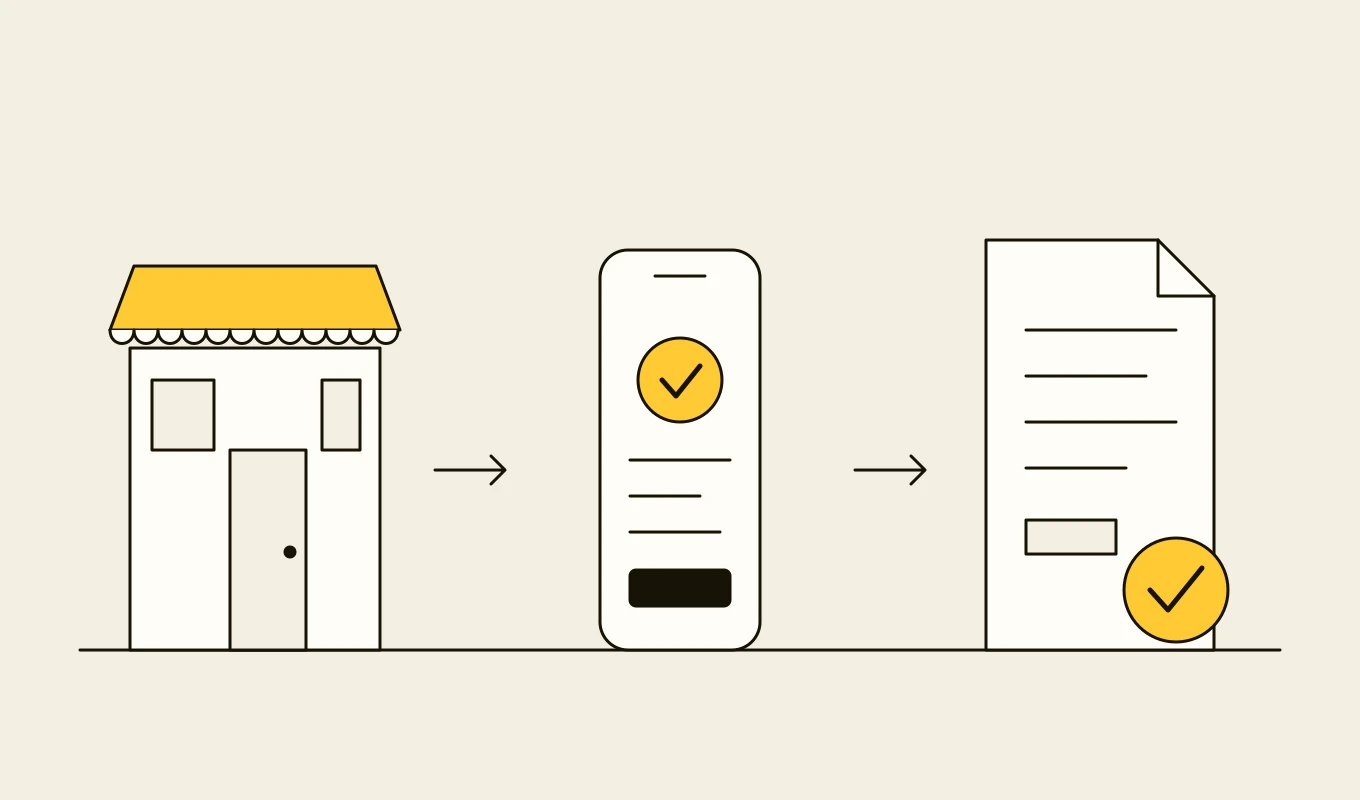
RFP template · Banking
SME lending platform RFP template
Requirements to put in an RFP for an SME loan management system, from application intake to regulatory reporting, plus the questions to ask every vendor.- 01Eight requirement areas, each as a checklist you can paste into an RFP.
- 02Integration and data points your core banking and IT teams need to answer.
- 03Security, resilience and regulatory items that are easy to miss.
- 04Seven questions to put to any vendor or development partner.
Free download
Get it on screen in a few seconds.
What the system does, module by module.
- 01
Guided application
A short, adaptive form that asks only what the product needs, saves progress and lets the business owner finish later on any device. - 02
Business and owner verification
Company lookup, director and beneficial owner capture and identity verification, with results passed to the lender's checks. - 03
Consented data pull
Bank statement, accounting and tax data collected through the borrower's consent, so they do not upload statements or retype numbers. - 04
Document upload
A checklist per product and applicant type, with preview, quality checks and automatic reading of common documents. - 05
Offer and terms
Indicative and final offers displayed in plain language, with clear fees and repayment schedules and a record of what the applicant saw. - 06
E-signature
Facility documents signed online by every required party, with signing order, reminders and a certificate of completion. - 07
Status tracker
A live view of where the application is, what is needed next and who has it, so the borrower does not need to phone the lender. - 08
Borrower account
Repayment schedule, statements, top-up requests and document requests after the loan is drawn. - 09
Staff workbench
A view for relationship managers and credit officers to assist applications, request documents and see what the borrower sees.
Reference architecture.
Standards and interfaces
What we design against.
- Consent and data-sharing frameworks
- Consent-based data exchange such as the HKMA Commercial Data Interchange, open banking APIs and accounting-software APIs, used where the lender and borrower are connected.
- Electronic signature law
- The electronic transactions rules in the lender's market, including levels of signature for particular documents.
- OpenAPI
- Interfaces to the loan management and credit workflow systems.
- WCAG 2.2
- Accessibility of forms and status pages, so business owners using assistive technology can apply.
- Data protection law
- Notice, consent, purpose and retention for personal data of owners, directors and guarantors.
- Fair lending and disclosure rules
- How offers, fees, interest and repayment terms must be shown to the applicant.
Data model
The core entities.
- Applicant and business
- Company, owners, directors, contact, verification results and consents.
- Application
- Product, amount, purpose, answers, progress, channel and submission time.
- Data pull
- Source, consent reference, scope, retrieved data and expiry.
- Document
- Type, file, quality result, extracted fields and review status.
- Offer
- Terms shown, version, validity and the applicant's response.
- Signature package
- Documents, signers, order, evidence and completion certificate.
- Status event
- Step reached, owner, message sent to the borrower and time.
When custom development is the right call.
Controls designed in, not added later.
Identity and access
Verified owner identity, multi-factor sign-in for the borrower account and controlled staff access to applications.Consent management
A log of every consent, its scope and expiry, with revocation honoured and data deleted on schedule.Document handling
Encrypted storage, malware scanning on upload and retention by document type.Fraud controls
Checks on identity, device and document tampering before an application enters credit.Resilience
Saved progress survives outages, and submissions are idempotent so a retry never duplicates an application.
From discovery to a system you run.
- 01
Journey and policy review
We walk through the current application with credit and operations and note each question, document and handoff. - 02
Design and data connections
The journey, wording and the connections to data providers and the lending system are designed and tested with real applicants. - 03
Build and integrate
The portal is built with the lending integration first, so applications arrive in the credit workflow complete. - 04
Pilot
A small group of applicants and one relationship team use the portal while drop-off points are watched. - 05
Open to all and extend
The portal opens to all applicants, with new products, languages and data sources added over time.
Relevant work
Where to see our work.
Common questions.
- Does the portal replace our loan management system?
- No. It is the borrower-facing front end. Applications go to the loan management and credit systems, and status and documents come back to the portal.
- How do you reduce abandoned applications?
- By asking only what the product needs, pulling data with consent rather than asking for statements, saving progress and showing the borrower what happens next at every step.
- Can relationship managers help an applicant?
- Yes. The staff workbench shows the borrower's view, lets staff complete sections on their behalf and keeps a record of what was entered by whom.
- Is it available as a mobile app?
- Yes, as a responsive web portal, a native or cross-platform app, or both from one set of APIs.
- Who owns the code?
- You do. The code, the designs and the data stay yours.