Data engineering · Banking
Payments analytics and transaction reporting
We build payments analytics and transaction reporting for banks and payment firms: real-time views of volumes, success rates and latency across rails, analysis of rejects, returns and exceptions, fee and revenue reporting, liquidity analytics, client-facing cash management reports and payment data products. ISO 20022 data is kept rich so questions that were impossible before become simple, and you own the platform and the code.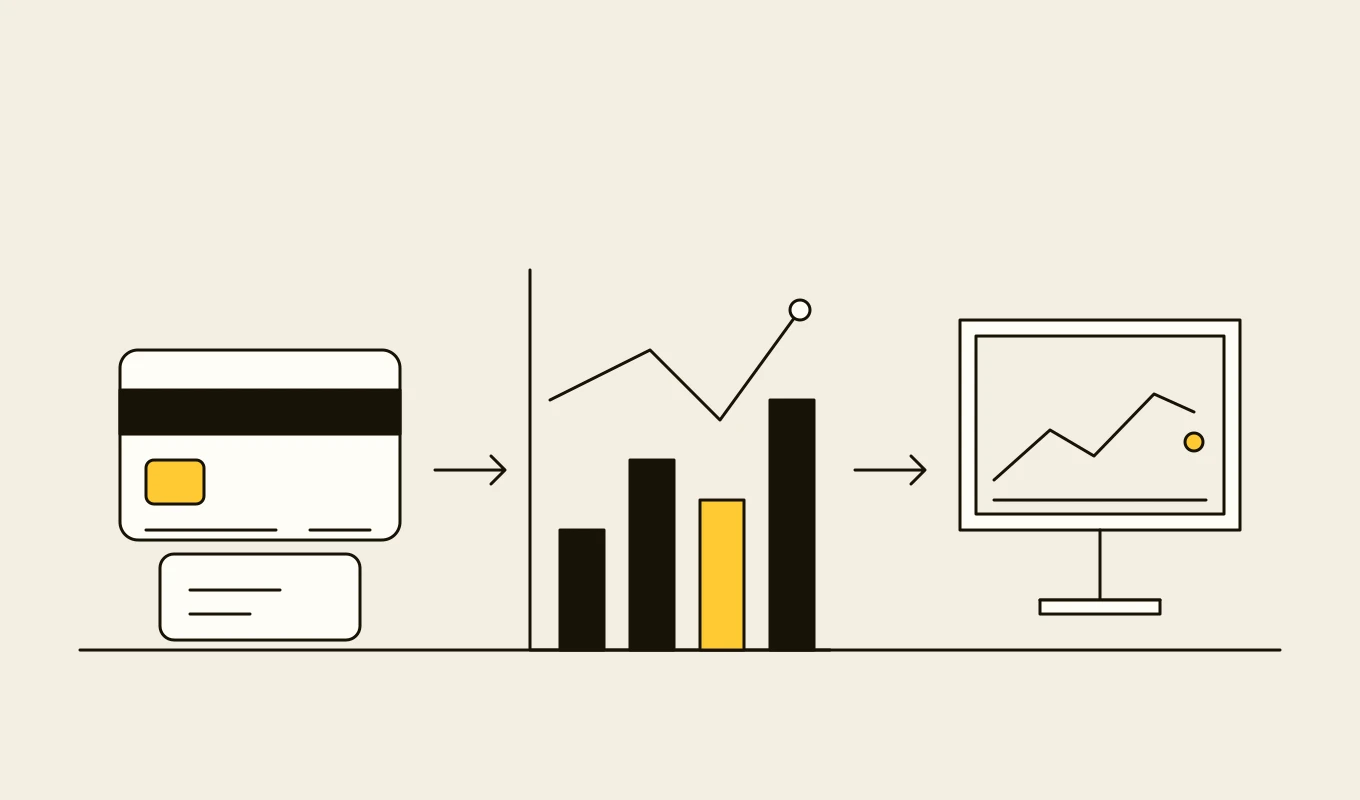
Checklist · Payments
Payment hub and ISO 20022 readiness checklist
A checklist for banks and payment firms planning a payment hub, a real-time payments connection or an ISO 20022 migration: formats, mapping, validation, routing, exceptions, reconciliation and resilience.- 01Eight areas to review before you choose or build a payment platform.
- 02The message and data points that cause rejections: addresses, identifiers and remittance data.
- 03Questions on cut-offs, liquidity and exception handling.
- 04Seven questions to put to any vendor or development partner.
Free download
Get it on screen in a few seconds.
What the system does, module by module.
- 01
Payment data model
A model that keeps the full content of payment messages, including parties, purposes, remittance and charges, linked across the lifecycle of each payment. - 02
Real-time operational dashboards
Live volumes, values, success and rejection rates, queue depths and latency by rail, channel, corridor and client, with alerts on deviation. - 03
Rejects, returns and exceptions analysis
Root causes of rejections and returns by counterparty, format, field and rule, with trends and the actions that reduced them. - 04
Corridor and counterparty analytics
Performance, cost and speed by correspondent, corridor and currency, to choose routes and negotiate with partners. - 05
Fees, revenue and cost
Fee income, pricing leakage and cost per payment by product and client, reconciled to the ledger. - 06
Liquidity and settlement analytics
Settlement positions, intraday peaks and funding patterns by rail and currency, feeding treasury and capacity planning. - 07
Client cash management reporting
Reports and dashboards for corporate clients on payments, collections and balances, delivered in the portal and as files and APIs. - 08
Service levels and operational risk
Measurement of service levels against agreements and rules, with evidence for disputes and for operational risk reporting. - 09
Data products and APIs
Governed payment datasets for fraud, compliance, product and finance teams, delivered through catalogues and APIs.
Reference architecture.
Standards and interfaces
What we design against.
- ISO 20022 data dictionary
- The rich message content that analytics can use, such as structured parties, purpose codes and remittance data.
- Payment statistics reporting
- Regulatory and central bank payment statistics that can be produced from the same data.
- CPMI and scheme performance measures
- Speed, cost and access targets for cross-border payments and scheme-specific service level measures.
- Streaming standards
- Event streaming and change data capture for near-real-time views.
- OpenAPI
- Interfaces for client reporting and internal data products.
- Data protection law
- Controls on personal data in payment content and on its use in analytics.
Data model
The core entities.
- Payment
- Parties, amounts, currencies, purpose, remittance, charges and the channel and rail used.
- Payment status event
- Status, time, system, reason and message reference for each step.
- Rejection and return
- Reason code, field or rule, counterparty and resolution.
- Corridor and counterparty
- Currency pair, correspondent, cost, speed and quality measures by period.
- Fee record
- Charge, tariff, client, amount and the payment it relates to.
- Settlement position
- Balance, funding movements and peak usage by rail, currency and time.
- Client report
- Report definition, recipient, schedule, delivery and format.
When custom development is the right call.
Controls designed in, not added later.
Sensitive data handling
Payment content with personal data is classified, masked for analytics where possible and access-controlled.Client separation
Client reports and data products show only each client's own data.Reconciled figures
Reported volumes and fees reconcile to the ledger and to scheme settlement.Auditability
Reports can be reproduced from stored data and the definitions in force on the date.Resilience
Streaming pipelines are replayable, and dashboards degrade gracefully if a source is delayed.
From discovery to a system you run.
- 01
Questions and data review
We list the questions operations, treasury, finance and clients want answered, and review the payment data and its quality. - 02
Model and metric design
The payment model, metric definitions and refresh requirements are agreed, with the join to the ledger and to fees. - 03
Build live views and the core model
The model and operational dashboards go first, giving operations value early. - 04
Add analysis and finance views
Rejects, corridor, fee and liquidity analytics follow, reconciled to finance. - 05
Client reporting and data products
Client reports and governed datasets are added and opened to their audiences.
Relevant work
Where to see our work.
Common questions.
- What does ISO 20022 change for analytics?
- Payment messages carry structured party, purpose and remittance data that older formats lacked. If it is kept intact, analytics can segment by purpose, reconcile by reference and find root causes of rejections far more precisely.
- Can we see payment performance in real time?
- Yes. Streaming from the payment hub and rails feeds live views of volume, success rate, latency and queues, with alerts when they deviate from normal.
- Can corporate clients get their own analytics?
- Yes. Client reports and dashboards are delivered in the corporate portal, as files and through APIs, limited to each client's data.
- Does it replace the payment hub's reporting?
- It extends it. The hub's reports are operational. The analytics platform joins payments with the ledger, fees and reference data and serves other teams.
- Who owns the code and the data?
- You do. The code, the model and the data stay yours.