Enterprise platforms · Manufacturing
Product configurator and CPQ for equipment manufacturers
We build custom product configurators and CPQ for equipment manufacturers: rules-based configuration of technical products, pricing and discount control, quote documents, approval workflow and generation of the bill of materials and order for production. Sales engineers and distributors get valid configurations and quotes quickly, and engineering approves what must be approved, and you own the code.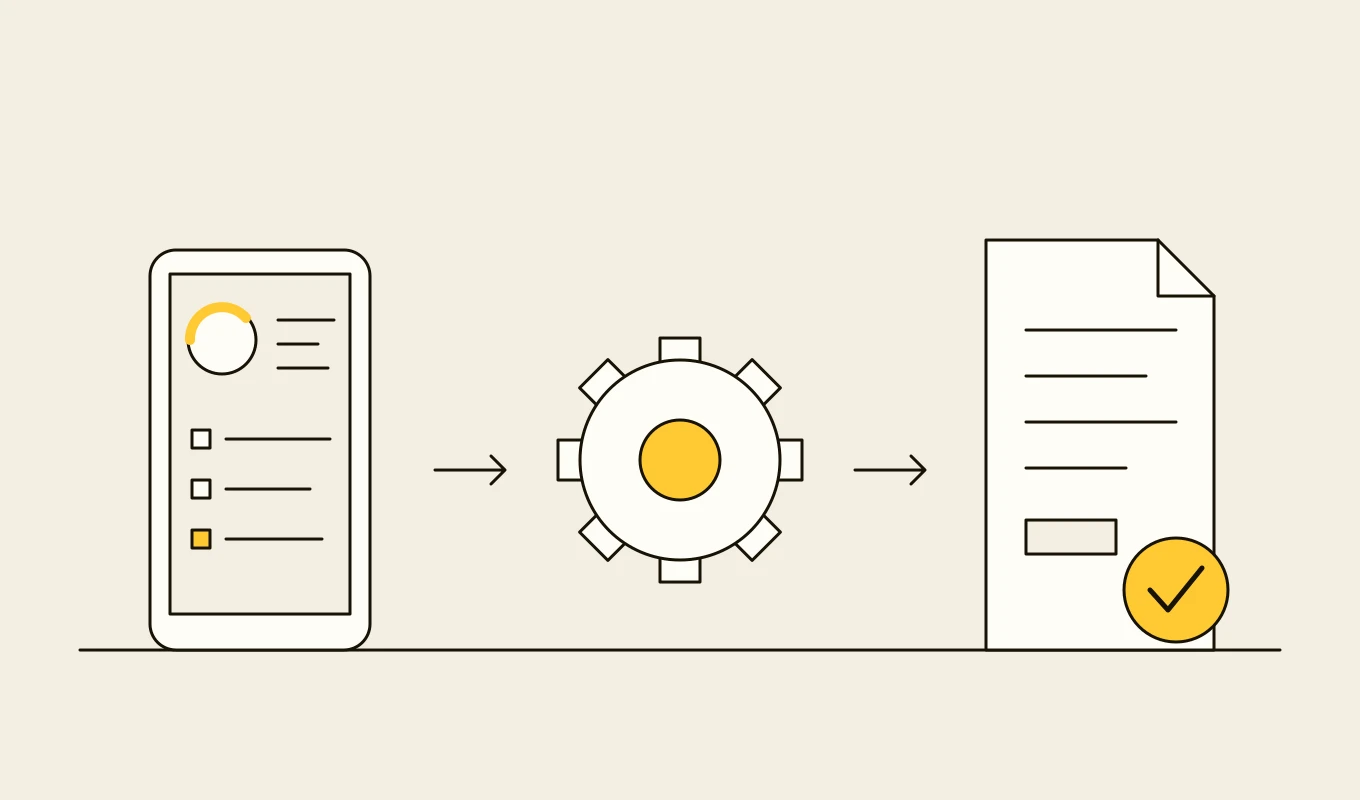
Requirements template · Manufacturing
Manufacturing systems requirements template
A requirements template for a manufacturing execution system or manufacturing operations layer, organised around ISA-95: orders, scheduling, shop-floor data, traceability, quality, equipment and integration.- 01Eight requirement areas written as testable statements.
- 02The fields a machine signal list needs before you connect equipment.
- 03Integration points with the ERP and the plant network.
- 04Seven questions to put to any vendor or development partner.
Free download
Get it on screen in a few seconds.
What the system does, module by module.
- 01
Product model
Families, options, dimensions and technical attributes held in a structured model that engineering maintains, not in spreadsheets. - 02
Configuration rules
Compatibility, dependency and dimensional rules that stop invalid combinations and explain why, tested against known good and bad cases. - 03
Selection and sizing
Calculation of duty points, capacities and performance from customer inputs, with the candidate products ranked and the reasoning shown. - 04
Pricing and discounts
Price lists, customer terms, volume rules, margins and approvals by discount level, applied the same way for every channel. - 05
Quote generation
Quotation documents with technical data, drawings and terms, in the customer's language and currency, produced from the configuration. - 06
Approval workflow
Routing of non-standard requests, special pricing and engineering review, with timers and a clear record of each decision. - 07
BOM and routing generation
From the accepted configuration, the bill of materials, routing and order are created and sent to the ERP, with no rekeying. - 08
CAD and document outputs
Datasheets, general arrangement drawings and models generated or selected from the configuration. - 09
Channels and CRM
Use by sales engineers, distributors and customers through a web portal, with quotes and opportunities synchronised to the CRM.
Reference architecture.
Standards and interfaces
What we design against.
- ISO 10303 (STEP)
- Product data exchange for geometry and structure where CAD systems are connected.
- ERP variant configuration practice
- How configurable products and bills of material are represented in the ERP that receives the order.
- OpenAPI
- Interfaces to CRM, ERP, pricing and document services.
- Industry calculation standards
- The performance and rating standards that apply to the products, implemented in sizing logic with a reference to the standard.
- Export and compliance rules
- Trade restrictions, certification and labelling requirements checked at quote time where they depend on the configuration.
- Accessibility guidelines
- WCAG 2.2 for the portal used by distributors and customers.
Data model
The core entities.
- Product family and option
- Attributes, allowed values, dimensions and the engineering owner.
- Rule
- Condition, effect, explanation, test cases, version and effective dates.
- Configuration
- Selected options, derived attributes, validity result and the user who built it.
- Price and discount structure
- Price lists, customer terms, volume breaks, margin limits and approval levels.
- Quote
- Configuration, price, terms, validity, documents and status.
- Approval
- Request, reviewer, decision, reason and time.
- Generated order data
- BOM, routing, order lines and the ERP reference.
When custom development is the right call.
Controls designed in, not added later.
Protected engineering logic
Rules, calculations and cost data are held server-side and not exposed to distributors or customers.Pricing governance
Discounts and margins follow approval levels, and exceptions are recorded and reported.Role-based channel access
Distributors see only their price lists and customers, and sales engineers see the views they need.Rule change control
Changes to rules and prices are tested against example configurations, approved and dated.Audit trail
Every quote and decision is stored with its configuration, rule version and approver.
From discovery to a system you run.
- 01
Product and quoting review
We take a set of recent quotes through the current process with sales and engineering and capture the rules, calculations and exceptions applied. - 02
Model and rule design
The product model, rules, sizing logic and price structure are written down with example cases that must pass. - 03
Build and test against history
The configurator is built and tested on past quotes, comparing results with what was quoted and built. - 04
Pilot with sales engineers
A group of sales engineers and one distributor use the tool on live enquiries. - 05
Extend to channels and ERP
The portal, ERP order creation and document generation are added and more product families follow.
Relevant work
Where to see our work.
Common questions.
- Why build a configurator instead of using spreadsheets?
- Spreadsheets hold the rules in people's heads and in formulas nobody can review. A configurator makes the rules explicit, tests them against known cases and applies them the same way for every quote.
- Can it perform engineering calculations?
- Yes. Sizing and selection logic follows the calculation methods and standards your engineers specify, with the reasoning shown and the result reviewed by qualified engineers for the cases that need it.
- Does it replace our CRM or ERP?
- No. It sits between them: quotes sync to the CRM, and an accepted configuration creates the order and bill of materials in the ERP.
- Can distributors use it?
- Yes, through a portal with their own price lists and customers, and with non-standard requests routed to your engineers.
- Who owns the code?
- You do. The code, the rules and the data stay yours.