Enterprise platforms · Tracking
RFID and barcode asset and inventory tracking system
We build RFID and barcode asset and inventory tracking systems for manufacturers, warehouses and asset-heavy operations: integration with fixed and handheld readers and scanners, tag encoding and identification, capture and filtering of read events, location logic by zone and gate, and integration with the ERP, warehouse and maintenance systems. We build the software and integration around your readers and tags, and you own the code.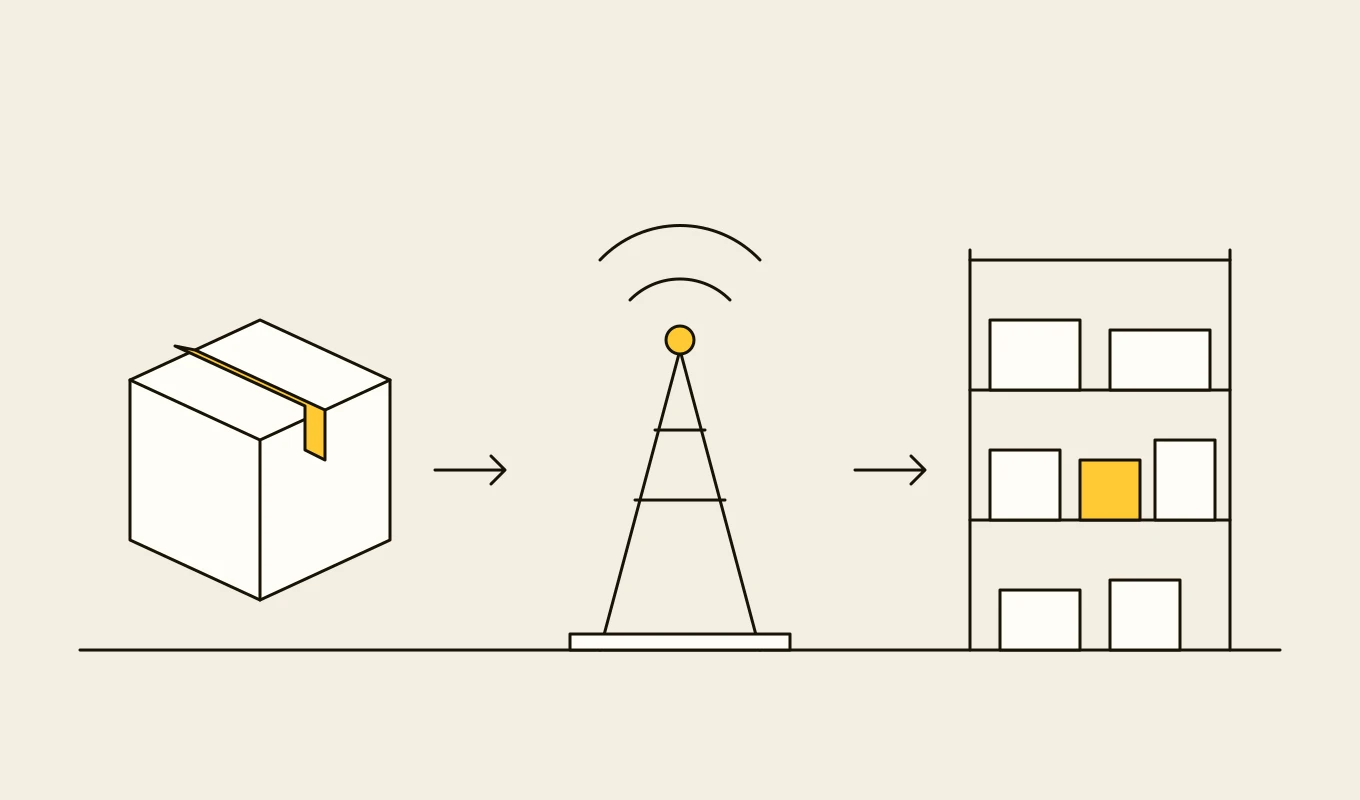
Checklist · IoT and devices
Industrial IoT and device integration checklist
A checklist for projects that connect devices, machines and sensors to software: use case, device inventory, protocols, gateways, data model, security, lifecycle and enterprise integration.- 01Eight areas to settle before you connect a fleet of devices or a plant.
- 02The device and signal facts that integration teams always need.
- 03Security and update items that are hard to add later.
- 04Seven questions to put to any vendor or development partner.
Free download
Get it on screen in a few seconds.
What the system does, module by module.
- 01
Identification scheme
A numbering scheme for items, cases, pallets, returnable containers and fixed assets, aligned with GS1 identifiers where partners need them. - 02
Tag and label encoding
Encoding and printing of RFID tags and barcode labels from the system, with verification and a record of every tag issued. - 03
Reader and scanner integration
Drivers and middleware for fixed readers, portals, handheld readers and scanners, using standard reader protocols and vendor interfaces. - 04
Read event capture and filtering
Removal of duplicate and stray reads, smoothing, and rules that turn raw reads into events such as arrival, departure or movement. - 05
Zones, gates and location logic
A model of read points, zones and gates that places an item or asset in a location and direction of travel. - 06
Asset check-in, check-out and custody
Transactions for borrowing, returning and transferring assets, with the person, time, location and condition recorded. - 07
Inventory and bulk counts
Fast inventory by scanning shelves or rooms, with comparison to expected stock and a list of missing and unexpected items. - 08
Event sharing with partners
Publication and receipt of standard traceability events with suppliers and customers. - 09
Integration and reporting
Updates to the ERP, warehouse and maintenance systems, and reports on location, utilisation, losses and dwell time.
Reference architecture.
Standards and interfaces
What we design against.
- GS1 EPC Tag Data Standard
- Encodings for items, cases, pallets, returnable assets and individual assets in RFID tags and barcodes.
- ISO/IEC 18000-63 (EPC Gen2)
- The UHF air interface for most supply chain RFID, which determines what readers and tags can do.
- EPCIS and CBV
- The event standard for sharing what happened to an object, where and why, and the vocabulary that keeps events consistent.
- LLRP
- A standard protocol for controlling readers and receiving read reports across vendors.
- GS1 barcodes and DataMatrix
- 1D and 2D symbologies, application identifiers and print quality for labels.
- Radio regulation
- Frequency and power rules for RFID in each country of operation.
Data model
The core entities.
- Tagged object
- Identifier, type, description, owner, current location and status.
- Tag and label
- Tag identifier, encoding, issue date, state and the object it is attached to.
- Reader and read point
- Device, location, antenna configuration, direction and zone served.
- Read event
- Tag, reader, time, signal strength and the rule that accepted or discarded it.
- Movement and location
- Object, from, to, time and the source event.
- Custody transaction
- Object, person, action, time, condition and approval.
- Count session
- Area, expected objects, found objects, differences and resolution.
When custom development is the right call.
Controls designed in, not added later.
Authenticated readers
Readers connect over secured, authenticated links and are managed devices on a segmented network.Tag integrity
Tag identifiers are registered and validated, and unknown or duplicated tags raise exceptions.Custody control
Transfers of valuable assets need identified users and, where policy requires, approval.Data minimisation
Tracking of people is avoided or limited, with access to location history restricted by role.Audit trail
Events and transactions are retained as a time-ordered record.
From discovery to a system you run.
- 01
Use case and environment survey
We agree what must be tracked and the accuracy needed, and survey the site and materials with the operations team and the reader vendor. - 02
Identification and event design
The numbering scheme, tag choice, read points and event rules are designed and tested with sample tags and readers. - 03
Build and pilot at one process
One process, such as receiving or tool tracking, is built and run, with read accuracy measured. - 04
Integrate with ERP, warehouse and maintenance
Movements and locations are shared with the systems of record. - 05
Extend to further processes and partners
More processes and sites follow, with event sharing added where partners need it.
Relevant work
Where to see our work.
Common questions.
- Do you supply readers and tags?
- No. We build the software and integration. Readers, antennas and tags come from the vendors you choose, and we connect to them through standard protocols and their interfaces.
- RFID or barcodes?
- Barcodes are cheap and reliable where items can be scanned line of sight. RFID suits bulk reads, hard-to-reach items and gates. Many sites use both, and the system treats them as two ways to identify the same object.
- How do you deal with stray and duplicate reads?
- Reads are filtered and smoothed by rules: dwell time, signal strength, direction logic and de-duplication. The rules are tuned on the site's own data.
- Can we share tracking events with suppliers and customers?
- Yes. The system can publish and receive standard traceability events using EPCIS, with GS1 identifiers where partners use them.
- Who owns the code and the data?
- You do. The code, the rules and the data stay yours.