Data engineering · Manufacturing
Supply chain visibility platform
We build supply chain visibility platforms for manufacturers: a control tower that joins orders, shipments and inventory in transit across suppliers, carriers, warehouses and plants, tracks events, predicts arrival times, raises exceptions early and gives suppliers a place to confirm and update. Planners see what is coming and what is at risk, and you own the platform and the code.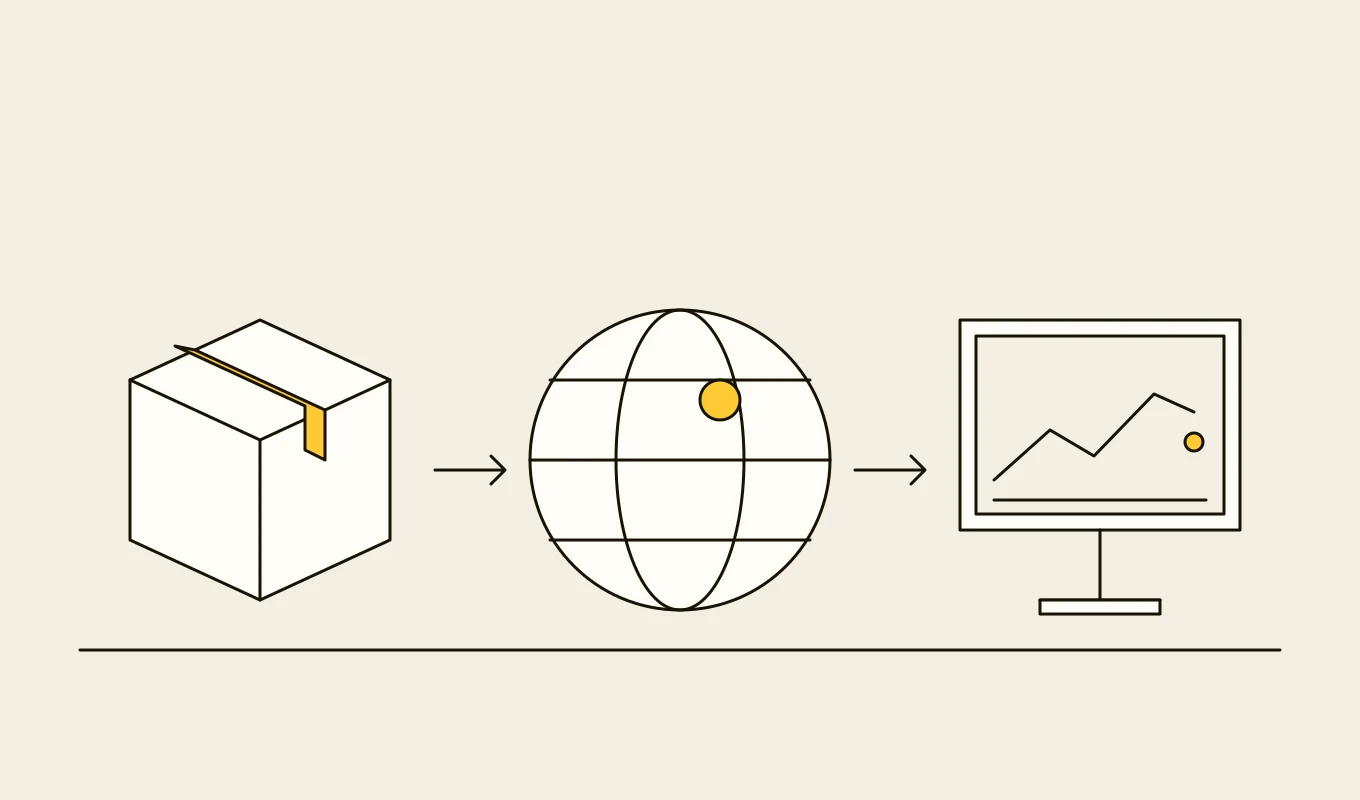
Reference architecture · Data and integration
Data platform and integration reference architecture
A reference checklist for enterprise integration, modernisation and data platform projects: domains, integration patterns, contracts, platform layers, master data, quality, security and operating model.- 01Eight areas to decide before you modernise, integrate or build a data platform.
- 02Contract, schema and versioning items that stop integrations breaking.
- 03Quality and ownership items that make a platform trusted.
- 04Seven questions to put to any vendor or development partner.
Free download
Get it on screen in a few seconds.
What the system does, module by module.
- 01
Order and shipment data model
A common model of purchase orders, sales orders, shipments, containers, packages and their lines, linking the ERP's view with what is physically moving. - 02
Carrier and logistics feeds
Connections to carriers, freight forwarders, ocean and air tracking providers, parcel services and warehouses through APIs, EDI and files. - 03
Event tracking
A normalised stream of milestones, such as booking, departure, arrival, customs and delivery, from many sources into one timeline per shipment. - 04
Predictive ETA
Estimated arrival times from route, port and carrier performance and past delays, updated as events arrive, with a confidence range. - 05
Exception management
Detection of delays, shortages, quality holds and missing documents, ranked by impact on production and customers, with owners and actions. - 06
Inventory in transit and projected
Visibility of stock by location, in transit and projected, so planners see future shortages and can reroute or expedite. - 07
Supplier collaboration
A supplier portal to confirm orders, share ship dates and documents and respond to exceptions, with scorecards for performance. - 08
Tier-two and risk visibility
Mapping of critical sub-suppliers and sites, with alerts from external risk sources such as weather, port disruption and supplier events. - 09
KPIs and analytics
On-time in full, lead time variability, transit time, cost to serve and carbon intensity by lane, supplier and mode.
Reference architecture.
Standards and interfaces
What we design against.
- GS1 EPCIS and identification keys
- Standard events and identifiers for tracking items, cases and pallets across partners.
- DCSA standards
- The Digital Container Shipping Association's standards for container shipping events and data.
- EDI and API messages
- ANSI X12 and EDIFACT status, shipment and order messages, and carrier APIs.
- Incoterms
- The terms that define who is responsible for goods at each stage and which event matters for each party.
- UN/LOCODE and location standards
- Codes for ports and places that make locations consistent across sources.
- Supplier data sharing agreements
- Contracts and permissions governing what suppliers and carriers share and with whom.
Data model
The core entities.
- Order and line
- Parties, items, quantities, dates, status and the ERP reference.
- Shipment and leg
- Carrier, mode, origin, destination, route, containers and packages.
- Tracking event
- Type, time, location, source and the shipment or package it relates to.
- ETA estimate
- Estimated arrival, range, model version and the events used.
- Exception
- Type, cause, impact on orders and production, owner and resolution.
- Inventory position
- Item, location, on hand, in transit and projected, with dates.
- Supplier and scorecard
- Supplier, sites, performance measures and agreed actions.
When custom development is the right call.
Controls designed in, not added later.
Partner separation
Suppliers and carriers see only their own orders and shipments.Commercial confidentiality
Prices, volumes and plans are restricted by role, and sharing with partners is explicit.Integration integrity
Events are de-duplicated and ordered by source time, with conflicts between sources shown.Identity and access
Strong authentication for external users and prompt removal of leavers.Audit trail
Changes to dates, confirmations and exceptions record user and time.
From discovery to a system you run.
- 01
Flow and pain-point review
We map the main inbound and outbound flows and the cost of surprises, with procurement, logistics and planning. - 02
Data and partner design
The data model, the carrier and supplier connections and the exception rules are agreed, starting with the lanes that matter most. - 03
Build for the first lanes
Tracking, ETA and exceptions go live for a first set of suppliers and lanes, with planners using them daily. - 04
Add supplier collaboration
Supplier confirmations, documents and scorecards are added, and more suppliers are onboarded. - 05
Extend to risk and analytics
Tier-two visibility, risk alerts and analytics are added, with integration into planning.
Relevant work
Where to see our work.
Common questions.
- Is this a transport management system?
- No. A transport management system plans and executes transport. A visibility platform joins data from many parties to show where things are, what is at risk and what to do, regardless of who runs the transport.
- How accurate are predicted arrival times?
- It depends on the lane and the data. Predictions come with ranges and improve as events arrive. We measure their accuracy against actual arrivals and show it.
- How do suppliers join?
- Through a simple portal, an API or EDI, depending on their capability. Large suppliers connect systems, smaller ones use the portal, and the platform treats both the same way.
- Does it work with our ERP and planning tools?
- Yes. Orders and stock come from the ERP, and updated dates and exceptions go back to it and to planning tools.
- Who owns the platform and code?
- You do. The code, the data model and the data stay yours.