Enterprise platforms · Oil and gas
Drilling and well operations reporting software
We build custom drilling and well operations reporting software: daily drilling reports captured at the rig, WITSML data flows from service companies, time and non-productive time analysis, cost against AFE, and a well file that outlasts the rig move. Operations teams, partners and management see the same figures from one system, and you own the code.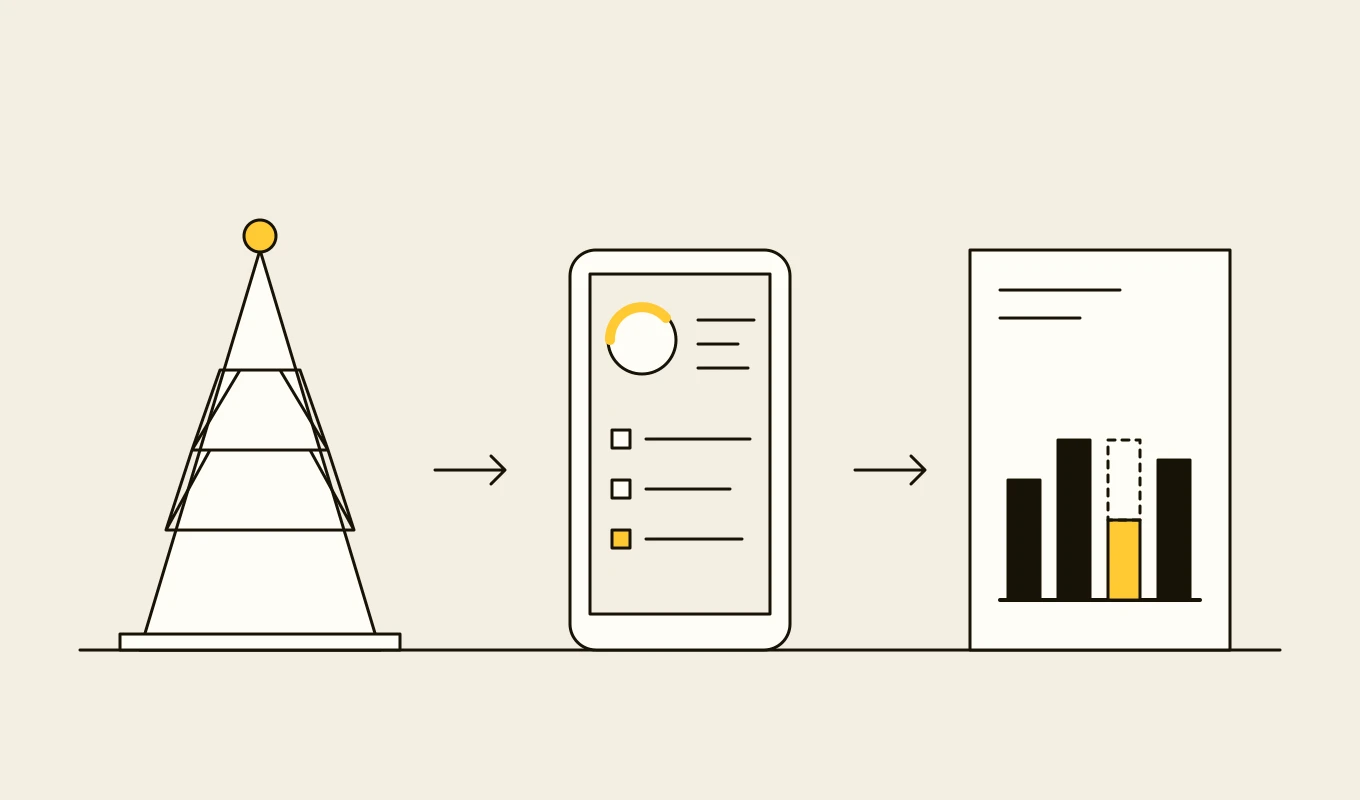
Requirements spec · Oil and gas
Upstream operations system requirements
A requirements specification you can adapt for an upstream production management or surveillance system: master data, acquisition, allocation, deferment, exceptions, reporting and the IT and OT boundary.- 01Eight requirement areas written as testable statements.
- 02Questions on data sources, quality flags and restatement rules.
- 03The IT and OT boundary items security teams ask about.
- 04Seven questions to put to any vendor or development partner.
Free download
Get it on screen in a few seconds.
What the system does, module by module.
- 01
Well and wellbore register
Wells, wellbores, sidetracks and rig assignments with unique identifiers shared with engineering, production and accounting systems. - 02
Daily drilling reports
Structured daily reports covering operations summary, time log, depth, mud, bit and BHA, casing, survey, personnel and HSE, entered on the rig or received from service companies. - 03
Time breakdown and activity codes
Operations recorded against standard activity codes, so time can be analysed by phase, section and cause across wells and rigs. - 04
Non-productive time
NPT events classified by cause and responsible party, linked to the equipment or service involved, with cost and trend reports. - 05
WITSML data flows
Receipt of real-time and end-of-well data from service companies in WITSML, with validation, mapping and a store that keeps both raw and cleaned data. - 06
Well plan against actual
Planned depth, time and cost curves compared with actual progress on each well, with variance explained and carried into the next well's plan. - 07
Cost tracking
Daily cost by account, linked to the AFE and to contracts, with forecast to complete and alerts when a well trends over budget. - 08
Well file and handover
A single record of the well's design, as-built, reports, logs and lessons, handed to production and abandonment teams in a consistent form. - 09
Lessons learned
Searchable lessons captured at the time of the event, linked to the well and cause, and surfaced when similar wells are planned.
Reference architecture.
Standards and interfaces
What we design against.
- WITSML 2.0
- Energistics standard for well and drilling data exchange, including real-time streaming, used between service companies, operators and systems.
- IADC daily drilling report and activity codes
- The International Association of Drilling Contractors' report format and activity coding used by many operators and contractors.
- Energistics ETP
- The Energistics Transfer Protocol for real-time data exchange alongside WITSML.
- PPDM and OSDU well data models
- Well and wellbore identifiers and structures that let the drilling record link to the subsurface platform.
- Regulator drilling reporting
- National requirements for well notifications, daily and end-of-well reports, which are generated from the same data.
- OWASP MASVS for the rig app
- Security verification for a mobile or tablet client used at the rig site.
Data model
The core entities.
- Well and wellbore
- Identifiers, location, type, status, rig, operator and partners.
- Daily report
- Date, depth, operations summary, status and the approval that locked it.
- Time log entry
- Start, end, activity code, phase, section, hole depth and remarks.
- NPT event
- Cause, category, equipment or service, duration, cost and responsible party.
- Daily cost line
- Account, contract, amount, currency and AFE.
- Drilling object
- Mud, bit, BHA, casing, survey and fluid records for each section.
- Lesson
- Event, cause, recommendation, well and the planners who acknowledged it.
When custom development is the right call.
Controls designed in, not added later.
Approval and locking
Daily reports are submitted, approved and locked, with later edits recorded as amendments.Partner views
Partners see approved reports and the cost lines they share, not draft data or other ventures.Data integrity
WITSML data is stored raw and cleaned with the transformations recorded, so the original can always be recovered.Offline at the rig
The rig client works through connection loss and synchronises with conflict handling.Audit trail
Changes to reports, cost and plans carry user and time.
From discovery to a system you run.
- 01
Reporting walk-through
We follow a recent well from plan to handover with the drilling, cost and data teams and list each report, spreadsheet and handoff. - 02
Data and interface design
The report structure, activity codes and the interfaces to service companies and accounting are agreed. - 03
Build the daily report first
The well register, daily report and time log go live on one rig, then WITSML intake and cost tracking. - 04
Run a well in parallel
One well is reported in both processes so figures and format can be compared. - 05
Roll out across rigs
More rigs, NPT analysis, lessons and the well file are added, with partner and regulator reports generated from the data.
Relevant work
Where to see our work.
Common questions.
- Do you replace the service companies' own reporting?
- No. Service companies keep their systems. We receive their data in WITSML or agreed formats, validate it and bring it into the operator's well record.
- Can the daily report be entered at the rig with a poor connection?
- Yes. The rig client works offline and synchronises when the link returns, with conflicts shown to the user instead of overwritten.
- How do you analyse NPT?
- Each event is classified by cause and responsible party and linked to the equipment or service. Reports show NPT by well, rig, contractor and cause, with trends over time.
- Can partners and regulators receive their reports from the system?
- Yes. Partner and regulator reports are generated from approved daily data, in the formats they require.
- Who owns the code and the data?
- You do. The code and the data stay yours.