AI/ML engineering · Oil and gas
Drilling optimization with machine learning
We build drilling optimization with machine learning for operators and drilling contractors: rate of penetration models, detection of vibration and stick-slip, bit condition tracking, early warning of kicks and losses, offset-well analysis and prediction of non-productive time. The system advises the driller and the engineer from live WITSML data and never controls the rig, and the models and code are yours.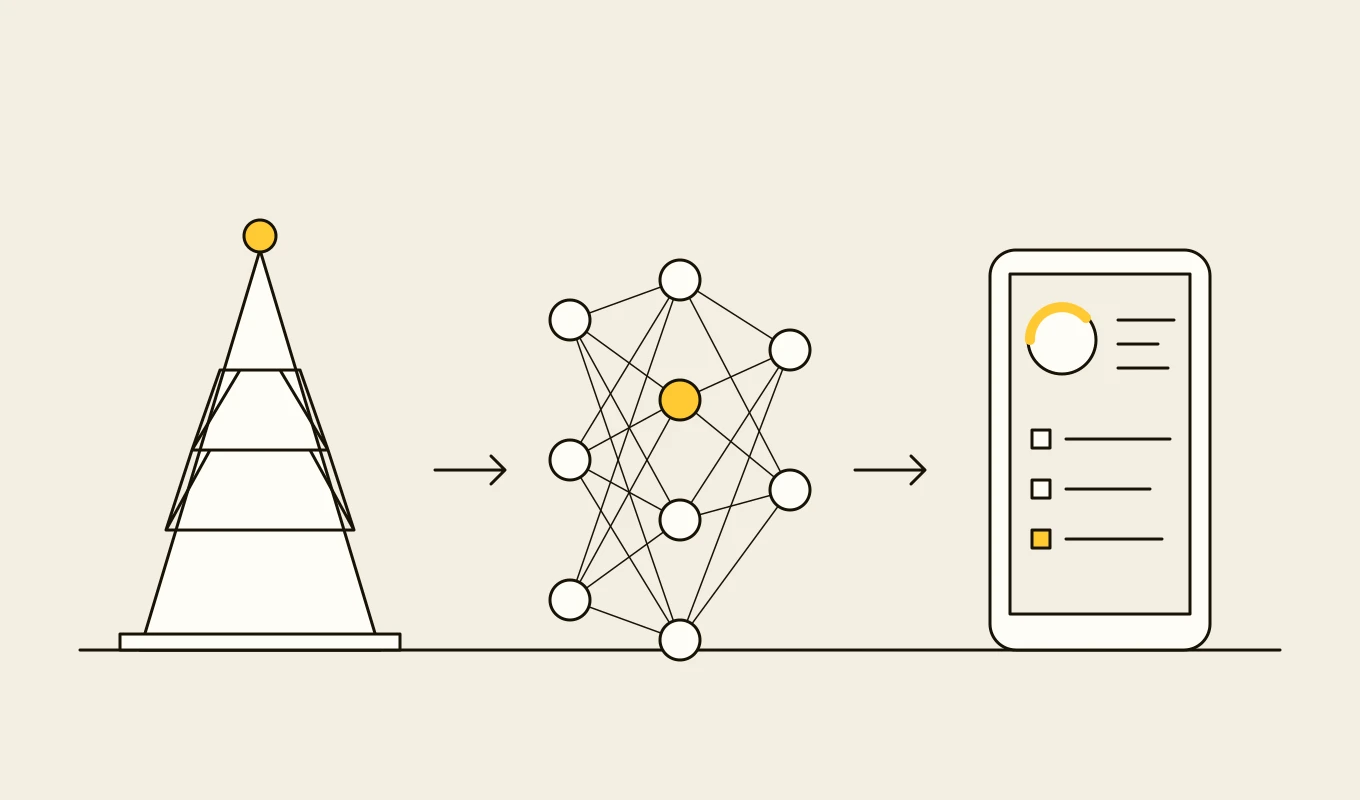
Requirements spec · Oil and gas
Upstream operations system requirements
A requirements specification you can adapt for an upstream production management or surveillance system: master data, acquisition, allocation, deferment, exceptions, reporting and the IT and OT boundary.- 01Eight requirement areas written as testable statements.
- 02Questions on data sources, quality flags and restatement rules.
- 03The IT and OT boundary items security teams ask about.
- 04Seven questions to put to any vendor or development partner.
Free download
Get it on screen in a few seconds.
What the system does, module by module.
- 01
Real-time data ingestion
WITSML and other streams from rig systems and service companies, validated, depth-aligned and stored with the raw data preserved. - 02
Drilling state detection
Automatic classification of the rig state, such as drilling, tripping, reaming and connections, so analysis uses the right intervals. - 03
Rate of penetration modelling
Models that relate weight on bit, rotary speed, flow, formation and bit to ROP, with physics-based terms where they help, benchmarked against offset wells. - 04
Parameter advisory
Suggested ranges for weight on bit and rotary speed given the section and current conditions, shown to the driller as advice with the reasoning. - 05
Vibration and stick-slip detection
Recognition of torsional and lateral vibration patterns from surface and downhole data, with alerts and the parameters associated with them. - 06
Bit and BHA condition
Tracking of bit wear and efficiency through mechanical specific energy and ROP trends, supporting the decision to pull or continue. - 07
Kick and loss early warning
Detection of flow, pit volume and pressure patterns that indicate kicks or losses earlier than fixed alarms, with alerts for the crew. - 08
NPT prediction and lessons
Prediction of non-productive time risk from plan, offsets and current operations, linked to the lessons learned library. - 09
Offset analysis and post-well review
Comparison of performance with offset wells, and post-well analysis that quantifies what the advice would have changed.
Reference architecture.
Standards and interfaces
What we design against.
- WITSML 2.0 and ETP
- Standards for well data and real-time streaming between the rig, service companies and operators.
- IADC activity coding
- Common activity codes that let analysis compare operations across wells and rigs.
- Mechanical specific energy
- The drilling efficiency measure used as a feature and as an indicator of bit and system performance.
- Well control practice
- Industry practice on kick detection and response, which alerts must support and never replace.
- Model validation and monitoring
- Testing on held-out wells and monitoring in operation, with documented limits of use.
- Cybersecurity at the rig
- Segmentation between rig control and business networks, and secure data export.
Data model
The core entities.
- Well and run
- Well, section, bit run, BHA, depth interval and the plan it belongs to.
- Time-series channel
- Parameter, unit, source, sample rate, depth or time index and quality.
- Rig state
- State, start and end, detected or confirmed and the rule used.
- Model and prediction
- Target, version, inputs, prediction, interval and the data window.
- Alert
- Type, depth, confidence, evidence, recipient and the response.
- Offset benchmark
- Offset wells, sections, performance measures and the match criteria.
- NPT event and lesson
- Cause, duration, links to alerts and lessons, and the planning changes made.
When custom development is the right call.
Controls designed in, not added later.
Advisory only
The system sends no commands to rig control. Advice is shown to people who decide.Rig network boundary
Data leaves the rig through a controlled gateway, and no inbound access to control systems is created.Model governance
Models are validated on held-out wells, versioned, monitored in use and retired when they drift.Data ownership
Rights to data and models are agreed with operators and service companies, and tracked.Audit trail
Advice, alerts and the response are recorded for post-well review and incident investigation.
From discovery to a system you run.
- 01
Data and objectives review
We review the rig data, offset library and the decisions to be improved with drilling engineers and contractors. - 02
Offline models on past wells
Models are built and tested on past wells, and their advice is compared with what was done and what resulted. - 03
Live monitoring mode
The system runs on a live well with advice shown to engineers in the office, not yet to the driller. - 04
Advice to the rig
Advice and alerts go to the driller's screen, with feedback from the crew shaping what is shown. - 05
Extend across the programme
More rigs and models follow, and post-well reviews quantify the effect.
Relevant work
Where to see our work.
Common questions.
- Will the system control the drilling parameters?
- No. It gives advice and alerts to the driller and the engineers. Control of the rig stays with the rig's own systems and the crew.
- What data do we need?
- Surface drilling parameters in real time, depth, mud and pit data, and ideally downhole data and the well plan. Offset wells with history are valuable for benchmarking.
- Can it warn of kicks and losses earlier than the standard alarms?
- It can detect patterns in flow, volume and pressure that precede fixed alarms, and raise an early warning. It supports the crew's well control practice and does not replace it.
- How do you know the advice is any good?
- By testing models on past wells, running in monitoring mode before advice reaches the rig, and measuring the effect in post-well reviews.
- Who owns the models and the data?
- You do, subject to your agreements with service companies. The models, the code and the data stay yours.