Digital product engineering · Oil and gas
Field operations mobile app for oil and gas
We build field operations mobile apps for oil and gas: offline operator rounds and electronic logs, well tests, checklists, equipment tagging with QR and NFC, incident and near-miss capture, and shift handover, synchronised to your production and maintenance systems when a connection is available. The app is built for gloves, glare and patchy networks, and you own the code.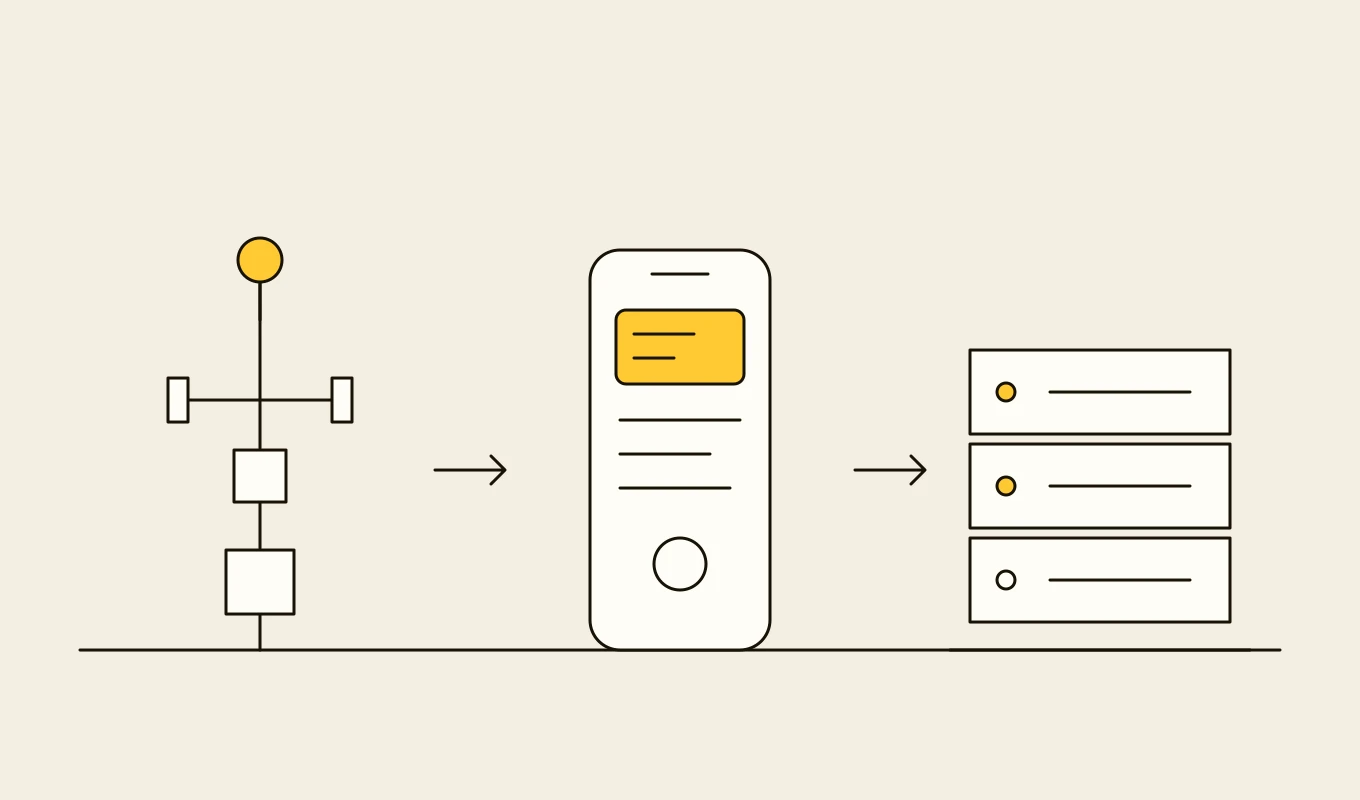
Requirements spec · Oil and gas
Upstream operations system requirements
A requirements specification you can adapt for an upstream production management or surveillance system: master data, acquisition, allocation, deferment, exceptions, reporting and the IT and OT boundary.- 01Eight requirement areas written as testable statements.
- 02Questions on data sources, quality flags and restatement rules.
- 03The IT and OT boundary items security teams ask about.
- 04Seven questions to put to any vendor or development partner.
Free download
Get it on screen in a few seconds.
What the system does, module by module.
- 01
Operator rounds
Routes of equipment and points to inspect, with readings, status and notes captured at each stop and exceptions flagged immediately. - 02
Electronic logbooks
Shift logs and event records that replace paper logbooks, searchable and tied to equipment and wells. - 03
Well tests and manual readings
Entry of well test data, gauge readings and tank dips with validation against expected ranges and previous values. - 04
Checklists and procedures
Start-up, shutdown and inspection checklists with required steps, photos and sign-offs. - 05
Equipment identification
QR codes, barcodes and NFC tags that open the right asset record, with the position recorded where the device allows. - 06
Work requests and permits
Creation of maintenance requests from the field and a view of permits and isolations affecting the area, from the safety system. - 07
Incident and near-miss capture
A quick report with photos and location, sent to the safety system with the right classification. - 08
Shift handover
Structured handover notes, open items and alarms for the incoming crew, with acknowledgement. - 09
Offline sync and device management
Local storage, resumable upload, conflict handling, and managed rollout, remote wipe and updates under your device policy.
Reference architecture.
Standards and interfaces
What we design against.
- ATEX and IECEx
- Requirements for equipment in explosive atmospheres, which determine the devices the app can run on in classified areas.
- OWASP MASVS
- Mobile application security verification standard for storage, authentication, network and platform use.
- OpenAPI and sync protocols
- Interfaces for incremental synchronisation with idempotent writes and conflict detection.
- Mobile device management
- Enrolment, configuration, updates and remote wipe through the company's device management service.
- Accessibility and field ergonomics
- Large touch targets, high-contrast modes and glove-friendly input for outdoor use.
- Production and maintenance system interfaces
- The interfaces of the platforms the app writes to, agreed with their owners.
Data model
The core entities.
- Round and stop
- Route, equipment, expected readings, tolerances and schedule.
- Reading and observation
- Value, unit, time, operator, location and any photo or note.
- Log entry
- Shift, category, text, linked equipment or well and acknowledgements.
- Checklist run
- Template, steps completed, photos, sign-off and time.
- Tag and asset link
- Tag identifier, asset, location and the code or chip it is printed on.
- Sync batch
- Items uploaded, device, time, conflicts and resolutions.
- Device and user
- Enrolment, app version, policy state and the operator signed in.
When custom development is the right call.
Controls designed in, not added later.
Encrypted local storage
Data held on the device is encrypted, with a short lifetime and remote wipe for lost devices.Strong sign-in
Biometric or badge-based sign-in suited to gloves, with sessions that end at shift change.Server-side rules
Entitlements and validation are enforced in the back end, never only in the app.Safe offline behaviour
Writes are queued, idempotent and conflict-checked, so nothing is lost or duplicated on reconnection.Managed distribution
Signed builds distributed through your device management with controlled updates.
From discovery to a system you run.
- 01
Ride-along and process capture
We spend time with operators on rounds and record the routes, readings, logs and handovers they actually perform. - 02
Design with the crew
Screens are designed for field conditions and tried with operators, with the data model agreed with production and maintenance owners. - 03
Build the core and pilot on one route
Rounds, readings and logbook go first, tested on a single area and device type. - 04
Extend to tests, checklists and incidents
Well tests, checklists, incidents and handover are added, with the integrations to back-end systems. - 05
Roll out and support
More areas and crews follow, with device rollout, training and support.
Relevant work
Where to see our work.
Common questions.
- Can the app work completely offline?
- Yes. Rounds, logs, tests and checklists work without a connection and queue their data. When a link is available the app uploads in the background and shows any conflicts for review.
- Which devices does it run on?
- Standard and rugged iOS and Android devices. In classified areas it runs on devices certified for the zone, such as ATEX or IECEx rated tablets.
- How do operators identify equipment?
- By scanning QR codes, barcodes or NFC tags on the equipment, which open the correct asset record and route stop.
- Does it replace paper logbooks?
- Yes, with a defined paper fallback for device failure and a process to enter those records afterwards.
- Who owns the code?
- You do. The code, the designs and the data stay yours.