Enterprise platforms · Oil and gas
Hydrocarbon production allocation software
We build custom hydrocarbon production allocation software for operators and joint ventures: a model of the production network, allocation methods from well tests and fiscal meters, treatment of shrinkage, fuel, flare and vent, partner shares and a reconciliation that shows what was measured against what was allocated. The rules are explicit, versioned and yours, and you own the code.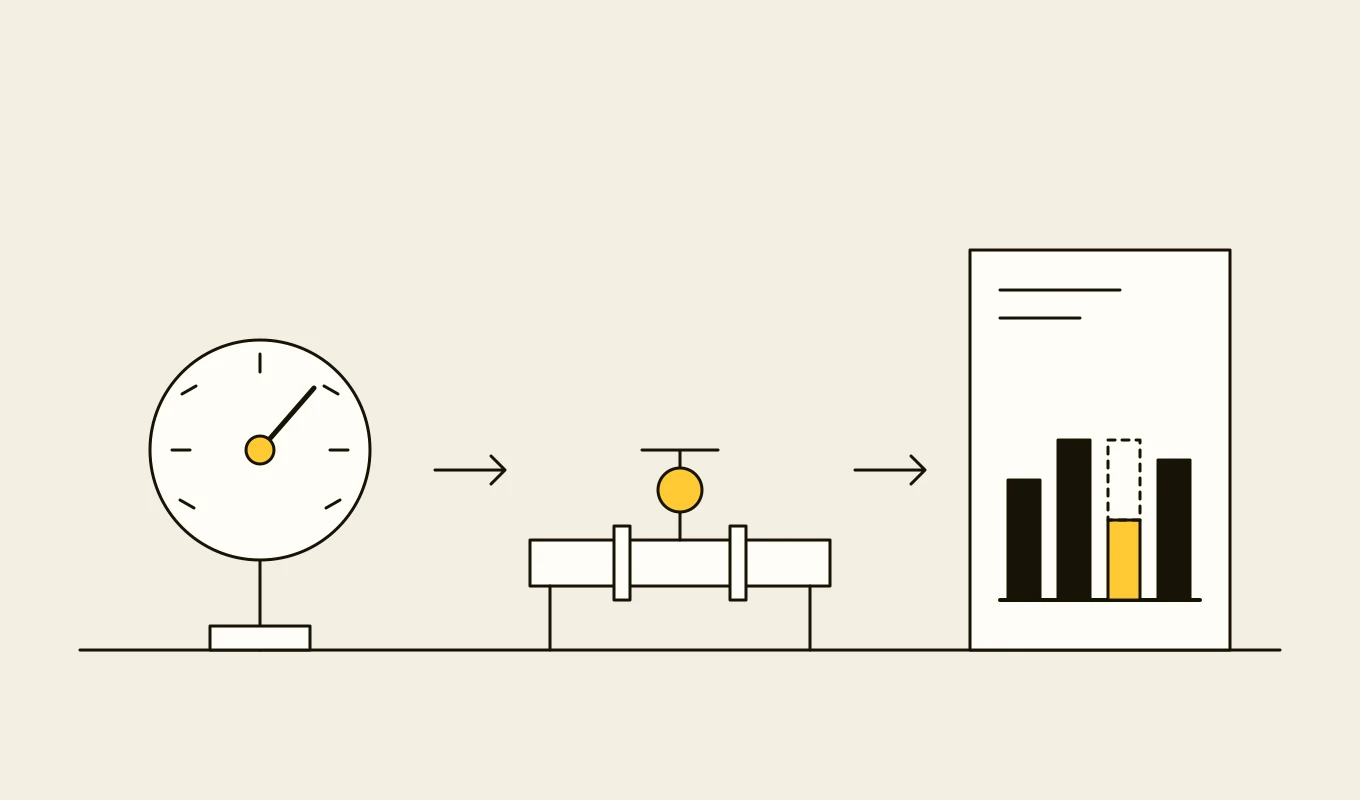
Requirements spec · Oil and gas
Upstream operations system requirements
A requirements specification you can adapt for an upstream production management or surveillance system: master data, acquisition, allocation, deferment, exceptions, reporting and the IT and OT boundary.- 01Eight requirement areas written as testable statements.
- 02Questions on data sources, quality flags and restatement rules.
- 03The IT and OT boundary items security teams ask about.
- 04Seven questions to put to any vendor or development partner.
Free download
Get it on screen in a few seconds.
What the system does, module by module.
- 01
Production network model
A graph of wells, manifolds, facilities, pipelines and export points with the streams between them and the measurement point on each stream, effective-dated as the network changes. - 02
Measurement ingestion
Fiscal and allocation meter volumes, test separator data, tank dips and laboratory results with quality flags, corrections and a clear record of which value was used. - 03
Well test processing
Validation of tests, calculation of rates and phase fractions, and the selection of the test that represents each well for a period. - 04
Allocation methods
Back-allocation from fiscal meters to wells by test-based theoretical rates, by pro-rata on potential or by direct measurement, chosen per node and recorded. - 05
Shrinkage, fuel, flare and vent
Processing losses, shrink factors, fuel gas, flare and vent volumes taken out in a defined order so reported sales volumes and allocated volumes agree. - 06
Commingled streams and shared facilities
Allocation across fields that share a pipeline or processing plant, including tariff and capacity use, with the rules agreed between the parties. - 07
Partner and royalty allocation
Allocated volumes split by working interest, production sharing terms, royalty or tax rules, with statements per partner and per period. - 08
Reconciliation and allocation factors
Allocation factors, imbalances and unallocated volumes by node and period, with thresholds that raise a review before the period closes. - 09
Restatement and period close
Daily provisional allocation and a monthly final, with approval, locking and restatement that keeps every earlier version.
Reference architecture.
Standards and interfaces
What we design against.
- API Manual of Petroleum Measurement Standards, Chapter 20
- Allocation measurement practice for oil and gas, which the methods and uncertainty treatment follow.
- PRODML
- Energistics standard for production data exchange between operators, partners and systems.
- Production sharing and joint operating agreements
- The contractual rules for interests, cost recovery and royalty that determine how allocated volumes are split.
- OPC UA
- Read-only access to meter and historian values on the operational side.
- Regulator reporting formats
- The production returns each regulator requires, generated from the allocated and approved volumes.
- IEC 62443
- Zones and conduits at the boundary between control systems and the allocation platform.
Data model
The core entities.
- Network node and stream
- Wells, facilities, pipelines and the flows between them, with effective dates and the measurement points on each.
- Measurement
- Value, unit, time, quality flag, source and any correction, with the version used for allocation.
- Well test
- Date, duration, conditions, rates, phase fractions and the validation outcome.
- Allocation method and parameters
- Method per node, factors, order of deductions, version and approval.
- Allocation result
- Allocated volumes by well, stream and phase, the method and the provisional or final status.
- Interest and agreement
- Partners, shares, royalty and production sharing terms with effective dates.
- Restatement
- Original and revised volumes, reason, approver and the periods affected.
When custom development is the right call.
Controls designed in, not added later.
Rule transparency
Methods, factors and the order of deductions are data that partners and auditors can inspect, not logic buried in a script.Approval and locking
Periods are approved and locked by named roles, and any restatement keeps the earlier figures with a reason.Separate partner views
Each partner sees its own share and the agreed shared data, and nothing belonging to others.One-way data flow
Measurement data is read from the operational side; the platform has no write path to control systems.Audit trail
Every input, correction and method change is recorded with user and time, so an allocation can be reproduced.
From discovery to a system you run.
- 01
Network and agreement review
We map the production network, the measurement points and the agreements that govern allocation, with the production, accounting and commercial teams. - 02
Method and data design
Allocation methods, deductions and data sources are specified per node and agreed with partners where required. - 03
Build and back-test
The platform is built and tested against historical periods, with results compared against the allocations actually reported. - 04
Parallel period
One or more periods are allocated in both the old process and the platform, and differences are explained. - 05
Go live and extend
The platform takes over daily and monthly allocation, with partner statements and regulator returns generated from it.
Relevant work
Where to see our work.
Common questions.
- Can partners trust and audit the allocation?
- That is the main design goal. The network, the methods, the factors and the order of deductions are stored as data with versions and approvals, so a partner or auditor can see how a number was reached and rerun it.
- Does the software replace hydrocarbon accounting?
- It covers allocation and the production side of the accounts. Fiscal accounting, custody transfer and financial postings usually stay in your accounting system of record, which we feed with reconciled volumes.
- How are restatements handled?
- A restatement creates a new version of the affected periods and keeps the original. The reason and approver are recorded, and downstream statements show both figures.
- Can it handle shared facilities and commingled streams?
- Yes. The network model represents shared pipelines and plants, and allocation across parties follows the rules agreed for each shared node.
- Who owns the code and the rules?
- You do. The code, the allocation rules and the data stay yours.