Enterprise platforms · Oil and gas
Engineering data and document management
We build custom engineering data and document management systems for oil and gas and process industries: tag-centric data for equipment and instruments, document control for drawings and datasheets, transmittals between owner and contractors, and as-built handover that is complete when the plant starts up. Engineering information stays consistent from design to operation, and you own the code.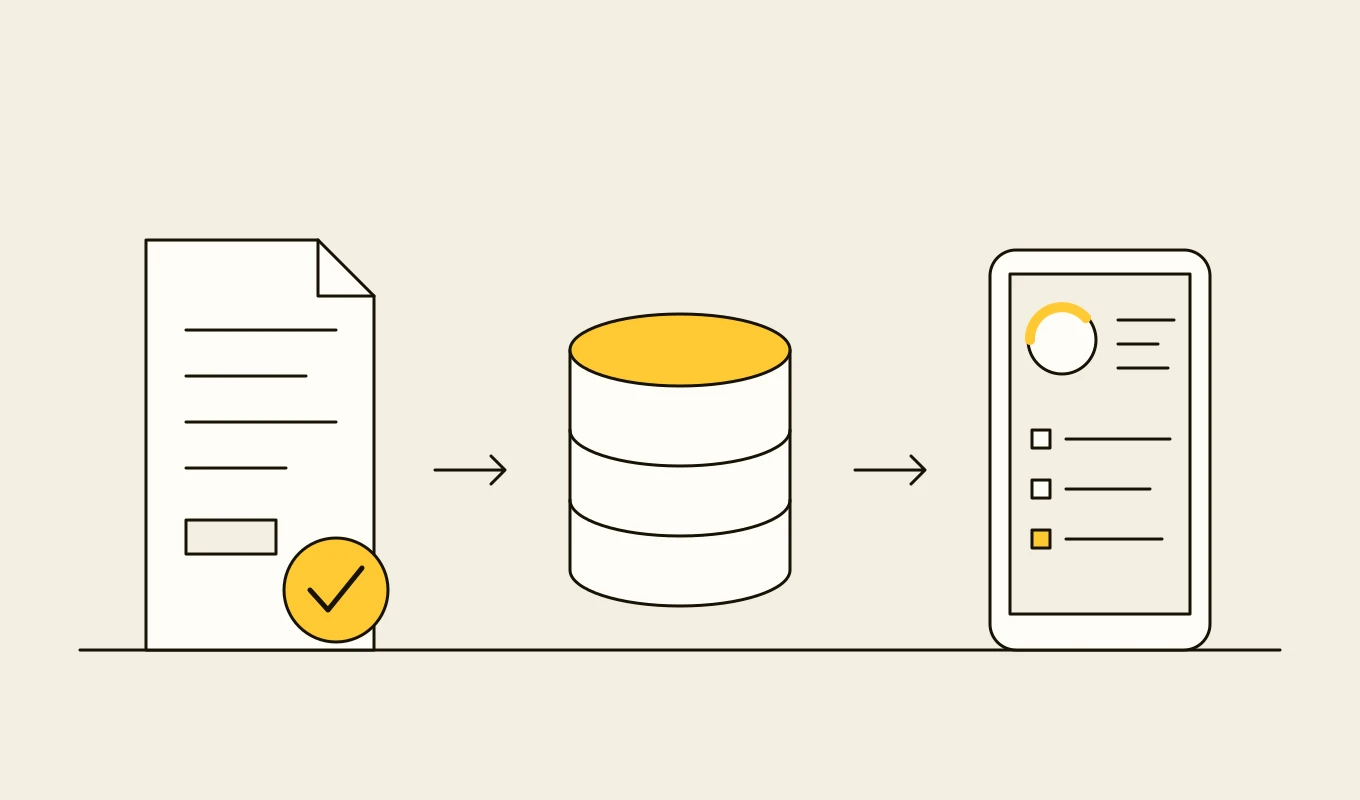
Requirements · Capital projects and ventures
Project controls and JV reporting requirements
Requirements to adapt for a project controls, joint venture accounting, engineering information or contractor portal system: structure, cost, schedule, progress, change, partner reporting, handover and access.- 01Eight requirement areas written as testable statements.
- 02Items for AFE approval, cash calls and partner statements.
- 03Handover, document control and contractor portal checks.
- 04Seven questions to put to any vendor or development partner.
Free download
Get it on screen in a few seconds.
What the system does, module by module.
- 01
Tag and equipment register
A register of tags, equipment, lines, instruments and systems with their attributes, linked to the documents that describe them and to the maintenance system. - 02
Document control
Numbering, metadata, revisions and statuses for drawings, datasheets, specifications and reports, with a clear record of the current approved version. - 03
Review and approval workflows
Issue for review, comment resolution, approval and issue for construction, with deadlines and escalation for reviewers. - 04
Transmittals
Formal exchange of documents with contractors and vendors, with receipts, response deadlines and a complete register of what was sent and received. - 05
Data and document links
Links between tag data and documents, so a datasheet's values and the register agree and discrepancies are flagged. - 06
Management of change
Engineering changes recorded against affected tags and documents, with approvals and the update of drawings and data. - 07
As-built and handover
Handover requirements defined per discipline, with completeness tracked as contractors deliver and acceptance by the operator. - 08
Viewing, redlines and search
Browser viewing of drawings and documents, redlining, and full-text and tag-based search across the whole estate. - 09
Integration with design and operations
Interfaces to design tools, 3D models, the maintenance system, the integrity system and the data platform.
Reference architecture.
Standards and interfaces
What we design against.
- CFIHOS
- The Capital Facilities Information Handover Specification, which defines the information a project hands over to operations, by equipment class.
- ISO 15926
- Data integration and exchange standard for process plants across their life cycle, used for shared reference data.
- ISO 14224 taxonomy
- Equipment classes and failure codes for consistent maintenance and reliability data.
- Document numbering and status conventions
- The owner's or the project's coding, review status and revision rules, applied consistently by the system.
- PDF/A and open formats
- Long-term archive formats for approved documents and drawings.
- Data retention requirements
- Statutory and company retention periods for engineering records, which can run for the life of the asset.
Data model
The core entities.
- Tag and equipment
- Tag number, class, attributes, system, location and parent-child relationships.
- Document and revision
- Number, title, type, discipline, revision history, status and file.
- Review and comment
- Reviewer, comment, response, resolution and the revision it applies to.
- Transmittal
- Documents sent, sender, recipient, purpose, due response and receipt.
- Tag-document link
- Which documents describe which tags, and the data items compared between them.
- Change record
- Change description, affected tags and documents, approvals and completion.
- Handover requirement
- Required deliverables and data by class, status, acceptance and open items.
When custom development is the right call.
Controls designed in, not added later.
Controlled access
Access by project, discipline and company, with contractors seeing only their deliverables and the references they need.Revision integrity
Approved versions cannot be overwritten, and superseded revisions remain available for reference.Export and sharing controls
Watermarking, controlled downloads and expiry on shared links for sensitive drawings.Retention and archive
Retention rules by document type and archive in open formats, with legal holds respected.Audit trail
Views, changes, approvals and transmittals recorded with user and time.
From discovery to a system you run.
- 01
Information inventory
We list where drawings, datasheets and tag data live today, what must be handed over and the problems operations and maintenance report. - 02
Model and rules design
The tag classes, document types, numbering and status rules are agreed with engineering and the information manager. - 03
Build and load a priority area
The register and document control go first, loaded with one facility's or one project's information and checked for completeness. - 04
Add workflows and transmittals
Review, change and transmittal processes are added and used on a live project. - 05
Handover and extend
Handover tracking, further facilities and the integrations with maintenance and integrity systems follow.
Relevant work
Where to see our work.
Common questions.
- Why manage tags and documents together?
- Because most errors arise when the register says one thing and the datasheet another. When both are in one model, a mismatch is a flagged exception instead of a surprise at commissioning.
- Can the system handle handover from a large capital project?
- Yes. Handover requirements are defined per equipment class and discipline, completeness is tracked as contractors deliver, and the operator accepts the data against those requirements.
- Does it replace our design tools?
- No. Design tools remain where engineering is done. The system holds the controlled outputs, the tag data and the history, and links to the design tools.
- Can you migrate our legacy archives?
- Yes. Migration is planned by value and risk, with metadata extraction and reconciliation reports that show what was loaded, what failed and why.
- Who owns the code and the data?
- You do. The code and the data stay yours.