Data engineering · Oil and gas
Methane emissions monitoring and reporting
We build methane emissions monitoring and reporting software for oil and gas operators: a source-level inventory, integration of measurement data from surveys and continuous monitors, leak detection and repair workflows, reconciliation of bottom-up and top-down data, and reports aligned with OGMP 2.0 and the EU methane regulation. It gives operators the data and evidence that verifiers and buyers ask for, and you own the platform and the code.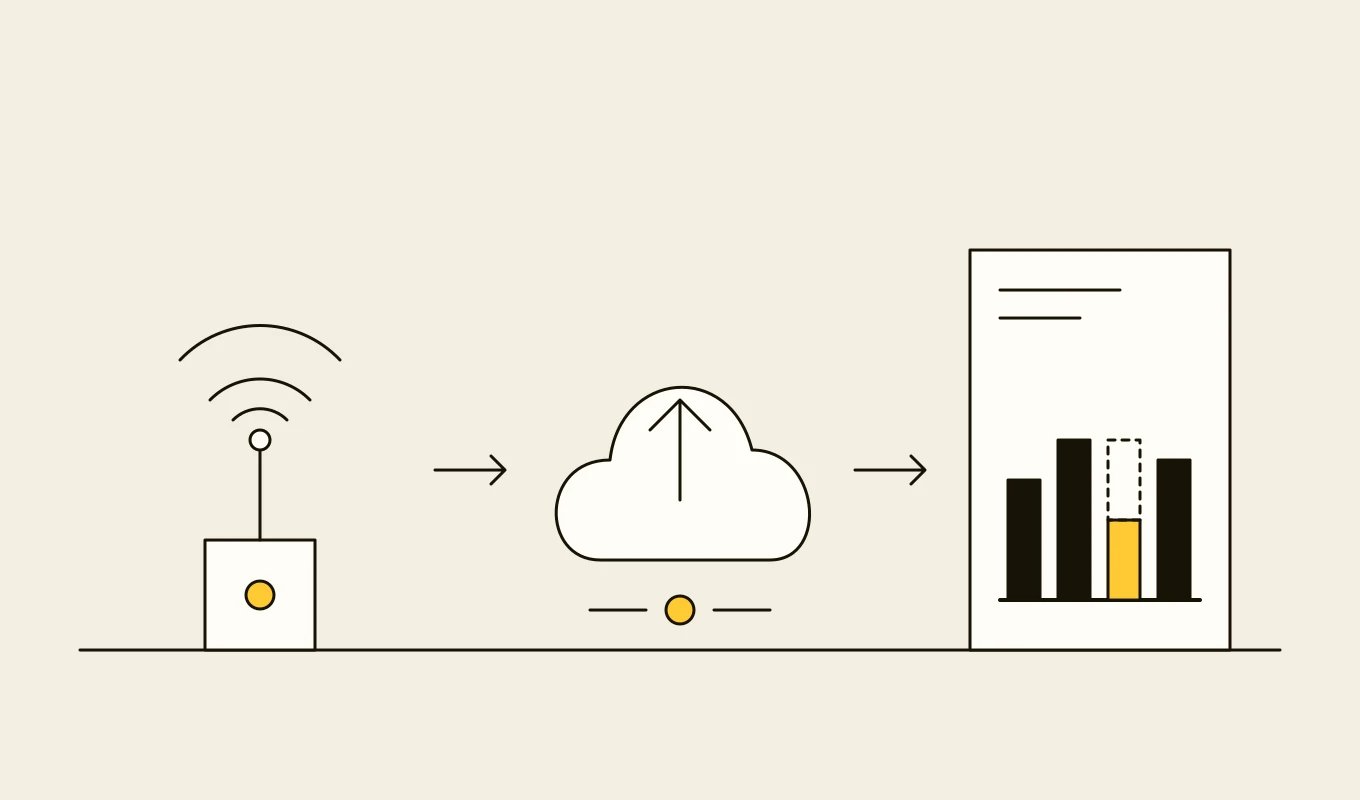
Checklist · Emissions reporting
Methane and emissions data readiness checklist
A checklist for operators and companies preparing methane measurement, reporting and verification and greenhouse gas reporting: inventory, activity data, measurement, reconciliation, uncertainty, verification and governance.- 01Eight areas to settle before you buy or build an emissions data platform.
- 02The records that source-level reporting and verifiers expect.
- 03Items for linking emissions data to production and maintenance systems.
- 04Seven questions to put to any vendor or development partner.
Free download
Get it on screen in a few seconds.
What the system does, module by module.
- 01
Source and equipment inventory
A register of emission sources by facility and type, such as venting, flaring, combustion and fugitive components, linked to the asset model. - 02
Activity data and emission factors
Activity data from production, flaring and maintenance systems, and emission factors with their sources and effective dates, for bottom-up calculation. - 03
Source-level quantification
Calculation of emissions for each source with the method recorded, from default factors to measured and engineering estimates. - 04
Measurement data integration
Ingestion of results from optical gas imaging surveys, continuous monitors, drones, aircraft and satellite detections, with location, time and quality. - 05
Leak detection and repair
Survey planning, detection records, repair tasks with deadlines, re-surveys and closure evidence, linked to maintenance work orders. - 06
Reconciliation of bottom-up and top-down
Comparison of calculated emissions with site-level measurements, with differences explained and uncertainty carried through. - 07
Uncertainty and data quality
Quantification of uncertainty by source and site, with data quality flags and an improvement plan towards higher reporting levels. - 08
Reporting
Reports in the OGMP 2.0 structure, the EU methane regulation format, national inventories and company disclosures, produced from the same data. - 09
Verification support
Evidence packs and lineage for third-party verifiers, and the supplier data that importers need to demonstrate equivalence.
Reference architecture.
Standards and interfaces
What we design against.
- OGMP 2.0
- The Oil and Gas Methane Partnership's reporting framework with five levels, where Level 5 combines source-level quantification with site-level measurement and reconciliation, and independent verification.
- EU Methane Regulation (EU) 2024/1787
- Requirements on measurement, reporting and verification, leak detection and repair, and for importers to demonstrate equivalent standards. Dates and details should be rechecked against the current text.
- Quantification methodologies
- Industry and regulator methods for estimating emissions from venting, flaring, combustion and fugitive sources.
- GHG Protocol and ISO 14064
- Greenhouse gas accounting and verification standards used in corporate reporting.
- Measurement technology protocols
- Performance and reporting protocols for optical imaging, continuous monitoring, aerial and satellite technologies.
- National reporting requirements
- Inventories and returns required by regulators in the countries of operation.
Data model
The core entities.
- Facility and source
- Facility, source type, equipment, location and the asset hierarchy link.
- Activity record
- Quantity, period, system of origin and the source it relates to.
- Emission factor and method
- Factor, unit, origin, effective dates, applicability and uncertainty.
- Emission estimate
- Source, period, value, method, uncertainty and data quality.
- Detection and survey
- Technology, date, location, finding, size estimate and the survey it belongs to.
- Repair task
- Detection, work order, deadline, completion, re-survey and closure.
- Report and evidence pack
- Reporting framework, period, figures, supporting files and verifier comments.
When custom development is the right call.
Controls designed in, not added later.
Method transparency
Every figure records the method, factor and data used, and changes to methods are versioned and approved.Evidence integrity
Survey data, calculations and reports are stored unaltered with lineage for verification.Access by role and entity
Facility teams, corporate reporting, verifiers and regulators see appropriate parts of the data.Controlled restatement
Corrections keep the original, the new value and the reason, and flow through to reports.Audit trail
Changes to inventory, factors and estimates are recorded with user and time.
From discovery to a system you run.
- 01
Regulatory and data review
We review the reporting commitments, current inventory and the measurement and activity data available, with environment, operations and maintenance teams. - 02
Inventory and method design
The source inventory, quantification methods and the route to higher OGMP levels are agreed. - 03
Build the inventory and quantification
Source-level estimates are calculated for one asset, reconciled to existing figures and reviewed. - 04
Add measurement and LDAR
Measurement data and leak detection and repair workflows are integrated, with reconciliation and uncertainty. - 05
Reports and verification
Reports and evidence packs are produced for the frameworks that apply, and tested with a verifier.
Relevant work
Where to see our work.
Common questions.
- What is OGMP 2.0 Level 5?
- The highest reporting level, in which operators quantify emissions at source level, measure at site level, reconcile the two and have the result independently verified. It is the level the EU methane regulation points to for producers that want to show equivalence.
- Does the EU methane regulation affect operators outside the EU?
- It affects those who sell oil, gas or coal into the EU, because importers must show that supply meets equivalent measurement, reporting and verification standards. Details and dates are changing, so check the current regulation and guidance.
- Do you supply measurement equipment?
- No. We integrate with the measurement technologies and service providers you choose, and bring their data together with your inventory and activity data.
- How do you handle uncertainty?
- Uncertainty is calculated and carried with each estimate, shown in reports and used to prioritise measurement and improvement. Higher-quality data narrows it over time.
- Who owns the code and the data?
- You do. The code, the methods and the data stay yours.