Enterprise platforms · Oil and gas
Oil and gas project planning and controls software
We build custom oil and gas project planning and controls software for operators, joint ventures and engineering companies: work breakdown and cost control, schedule integration, physical progress measurement, change management, risk and contractor reporting, all on one data model. It replaces manual assembly of progress reports from spreadsheets and exported schedules, and you own the code.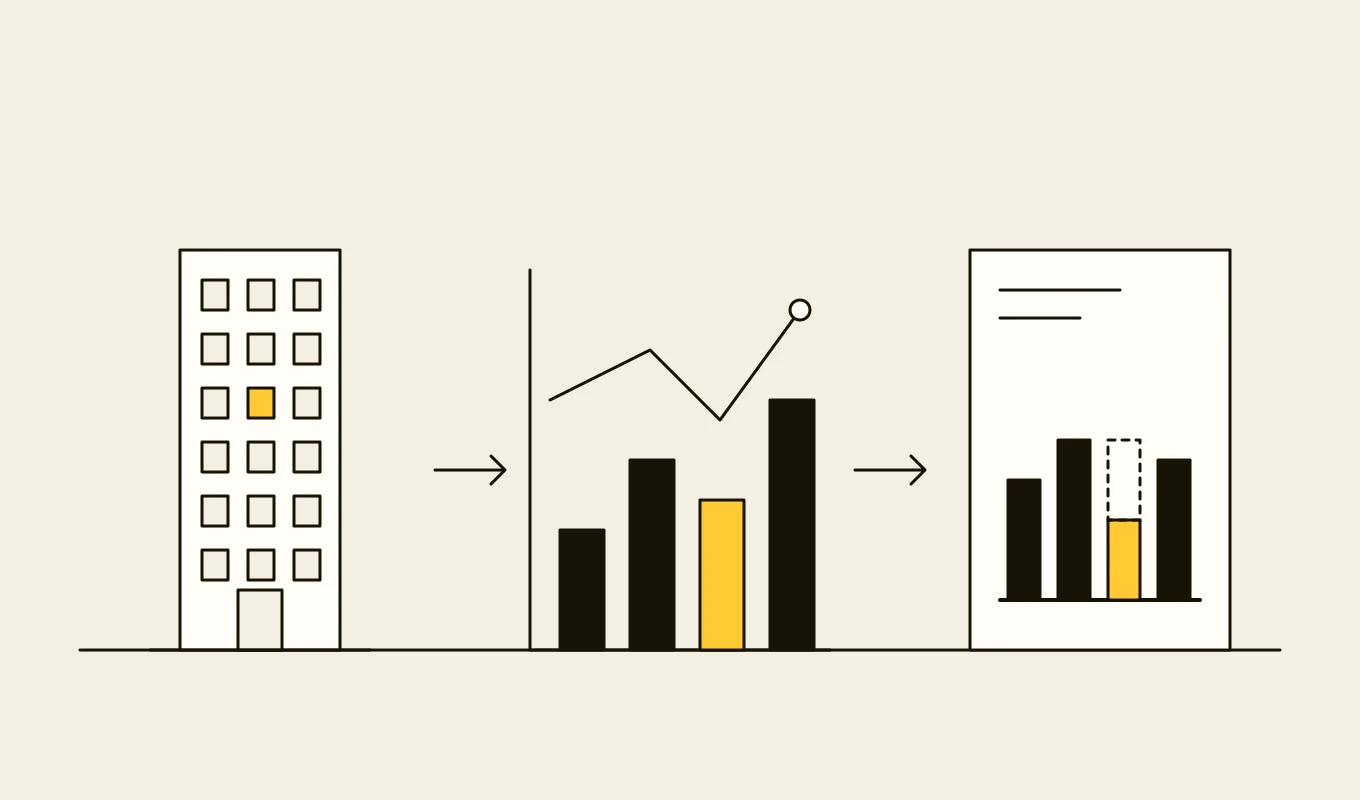
Requirements · Capital projects and ventures
Project controls and JV reporting requirements
Requirements to adapt for a project controls, joint venture accounting, engineering information or contractor portal system: structure, cost, schedule, progress, change, partner reporting, handover and access.- 01Eight requirement areas written as testable statements.
- 02Items for AFE approval, cash calls and partner statements.
- 03Handover, document control and contractor portal checks.
- 04Seven questions to put to any vendor or development partner.
Free download
Get it on screen in a few seconds.
What the system does, module by module.
- 01
Project and WBS structure
Programmes, projects, work packages and cost breakdown structures, with the mapping from engineering scopes to the accounts they are charged to. - 02
Schedule integration
Import and comparison of contractor and owner schedules from planning tools, with baselines, critical path views and float tracking. - 03
Progress measurement
Physical progress by discipline and work package using agreed earning rules, rolled up to project and programme with the basis visible. - 04
Cost control
Budget, commitments, actuals, accruals and forecast to complete, reconciled to the ledger and to contractor invoices. - 05
Earned value analysis
Planned, earned and actual values with cost and schedule performance indices and trend, at any level of the structure. - 06
Change management
Change requests and variation orders raised, assessed for cost and time, approved by authority and reflected in the budget and schedule. - 07
Risk and uncertainty
Risk registers, quantified cost and schedule risk, contingency drawdown and mitigation actions with owners. - 08
Stage gates and front-end loading
Gate criteria, deliverables and approvals for each phase from concept to final investment decision and execution. - 09
Reporting and contractor input
Progress reports, S-curves and dashboards generated from the data, and a portal where contractors submit progress and forecasts.
Reference architecture.
Standards and interfaces
What we design against.
- ANSI/EIA-748 earned value management
- The earned value management systems standard, whose guidelines shape the progress and cost performance measures.
- AACE International recommended practices
- Cost estimating classes, cost engineering terminology and forecasting practice used in capital projects.
- ISO 21500 and ISO 21502
- International guidance on project and programme management concepts and processes.
- Front-end loading and stage-gate practice
- Phase gates and deliverable definitions for capital project development, agreed with the owner's governance.
- Schedule exchange formats
- Open and tool-specific exchange formats for importing schedules from planning software.
- Joint venture and contract requirements
- Reporting obligations under joint operating agreements and engineering, procurement and construction contracts.
Data model
The core entities.
- Project and work package
- Hierarchy, scope, owner, budget, schedule links and status.
- Cost line
- Budget, commitment, actual, accrual and forecast by account, contract and period.
- Schedule and activity
- Baseline and current dates, durations, logic, float and the source of each update.
- Progress record
- Quantities or steps completed, earning rule, percent complete and the evidence.
- Change request
- Scope, cost and time impact, approvals, status and the budget lines affected.
- Risk
- Description, probability and impact, response, owner and the contingency allocated.
- Gate and deliverable
- Gate criteria, deliverables, review outcome and decision record.
When custom development is the right call.
Controls designed in, not added later.
Baseline control
Budgets, schedules and scope are baselined, and changes after that go through approval with the earlier figures kept.Role-based access
Project teams, contractors and partners see only their own projects and the shared views agreed.Contractor submissions
Contractor input is validated, versioned and accepted by an owner before it changes the record.Audit trail
Every change to a forecast, progress figure or approval records user and time.Confidential commercial data
Rates, commitments and negotiating positions are restricted to the people who need them.
From discovery to a system you run.
- 01
Controls process review
We review how projects are controlled today, the reports produced and the tools and spreadsheets behind them. - 02
Structure and rule design
The WBS, earning rules, forecast methods and approval authorities are agreed with project controls, finance and project managers. - 03
Build and load one project
One live project is loaded and its reports reproduced, then compared with the current monthly report. - 04
Add integration and contractor input
Schedule and accounting feeds are automated and a contractor portal is added for progress and forecast submissions. - 05
Extend to the portfolio
More projects, risk, stage gates and portfolio reports follow, with partner reporting generated from the data.
Relevant work
Where to see our work.
Common questions.
- Does this replace our planning software?
- No. Planning tools remain where schedules are built. The controls platform imports baselines and updates, compares them and combines them with cost, progress and risk.
- How is physical progress measured?
- By earning rules agreed per discipline and work package, such as quantities installed or steps completed, so the percentage complete has a visible basis rather than a judgement.
- Can contractors report into the system?
- Yes, through a portal where they submit progress, forecasts and change requests. An owner reviews and accepts each submission before it affects the project record.
- Does it support reporting to joint venture partners?
- Yes. Partner views and reports are generated from the same data, with access limited to the ventures each partner shares.
- Who owns the code and the data?
- You do. The code, the rules and the data stay yours.